
Virgin Fandango
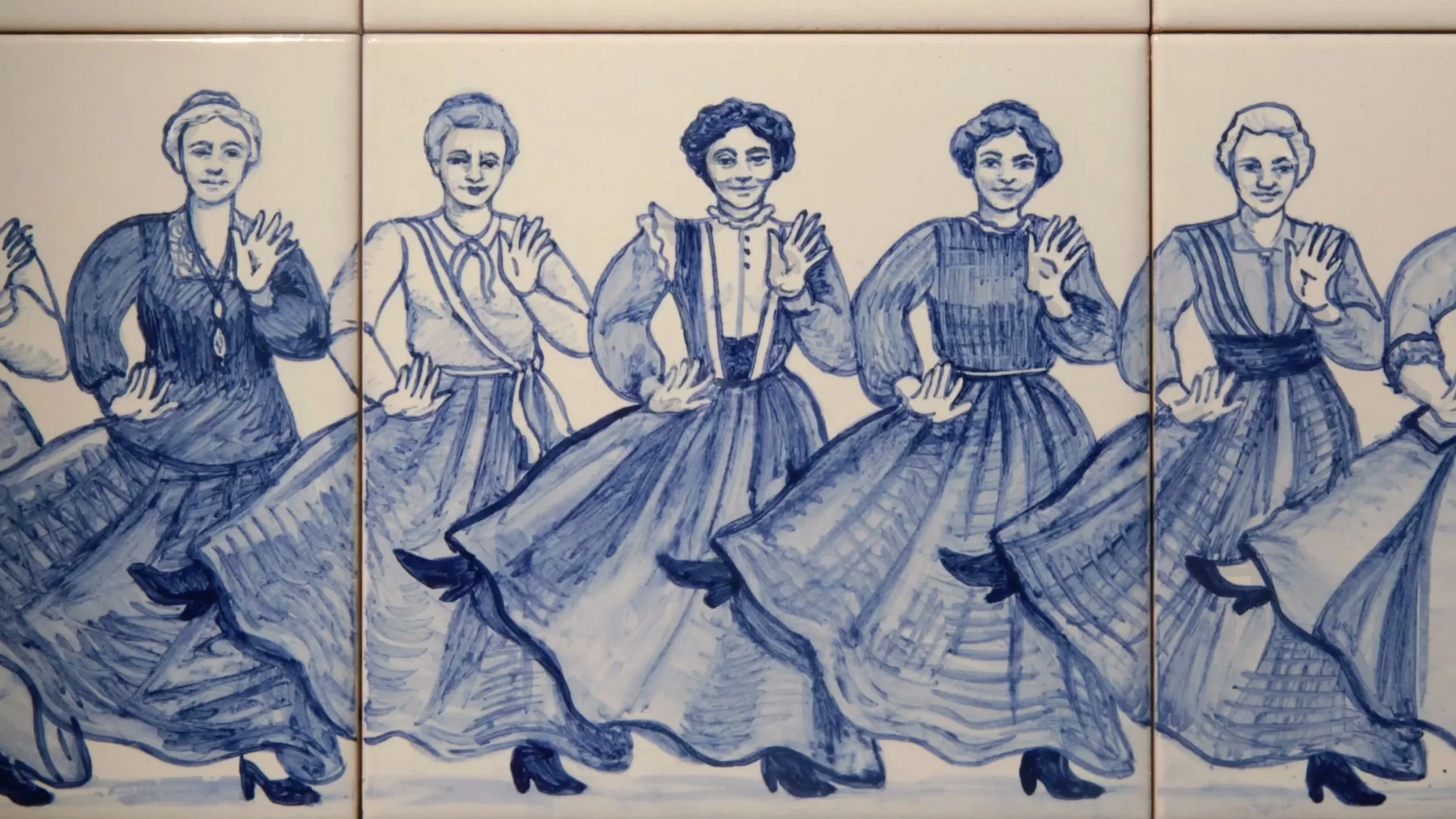
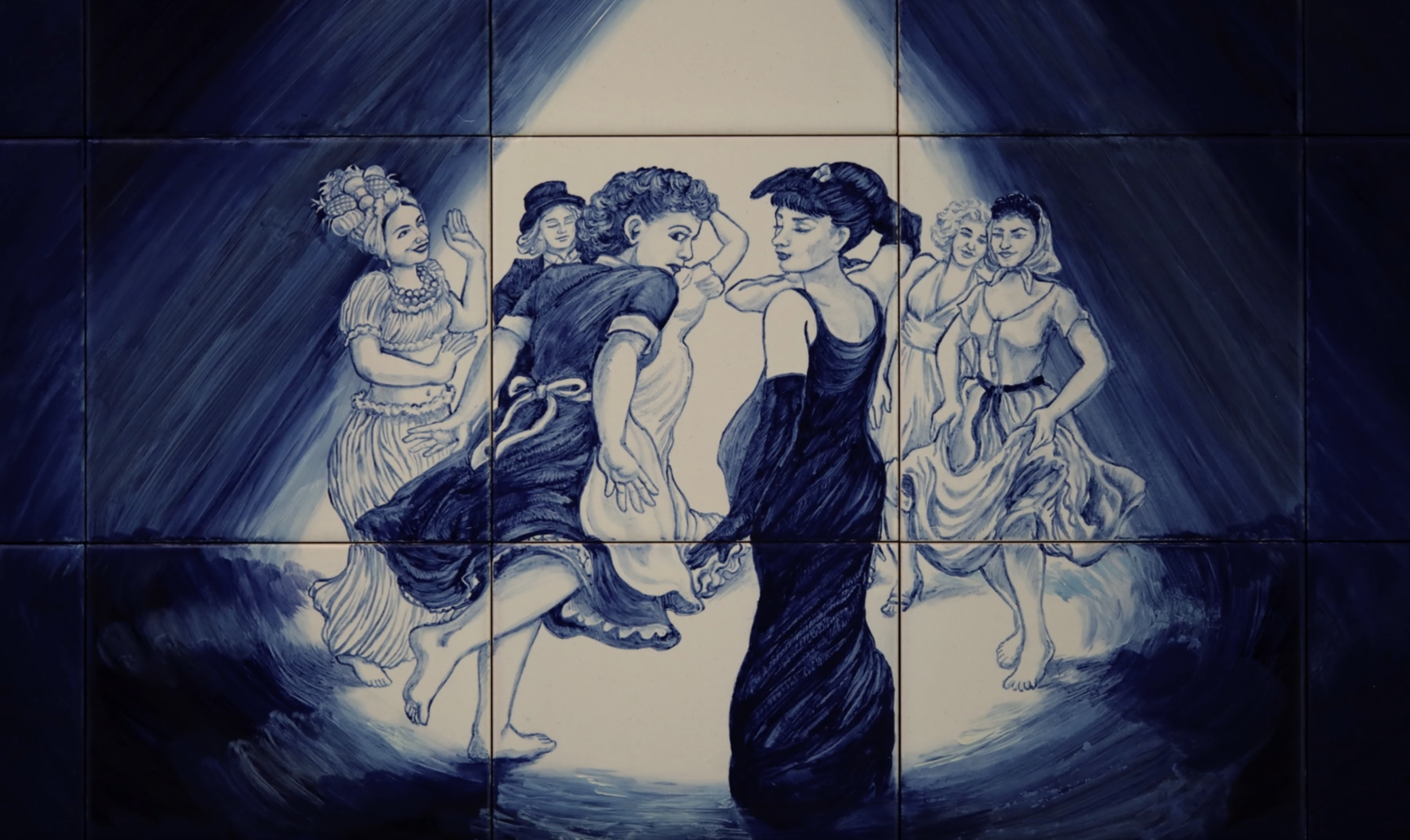
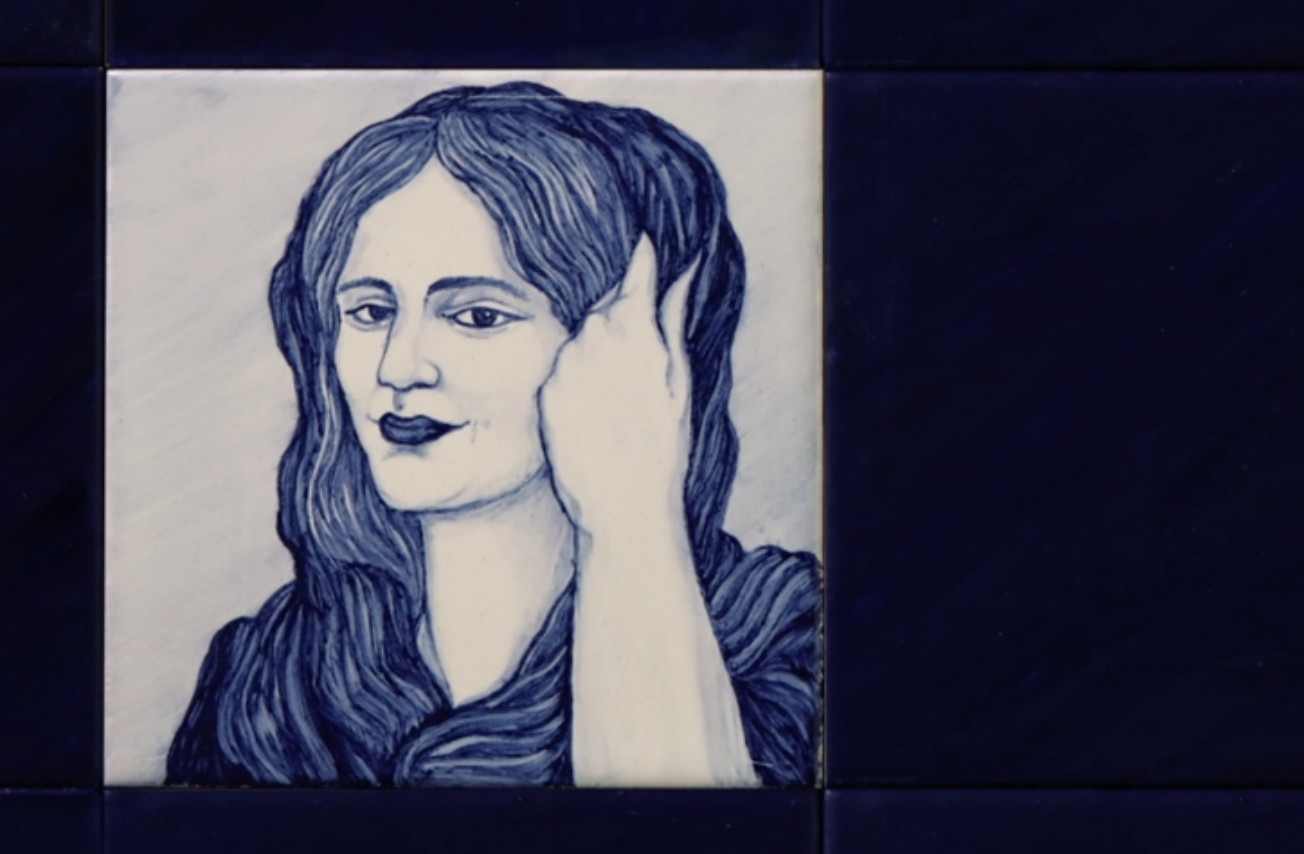
Short Synopsis— An animated tile figure of Mary comes to life in a Romanesque church. She breaks her silence, resists her common stereotypes and begins to sing and dance. Her song reminds us that in her time, a betrothed woman found pregnant, could have been stoned and that many women today still have little choice in life and death decisions, much less equitable opportunities. Despite her attribute of forgiveness, in the face of bigotry and misogyny, we should not just “let it be”. We see her and other inspiring women of history in playful dance fusions of politics and the arts, such as the “Dance of the Suffragettes” (women who fought for the right to vote), “Hip Hop Politics” with female pioneers in government and history, multiple showcases for “literary ladies” and a finale with legends of science and the arts. A Portuguese women’s choir provides voice for the large female cast.
Director’s Creative Approach—
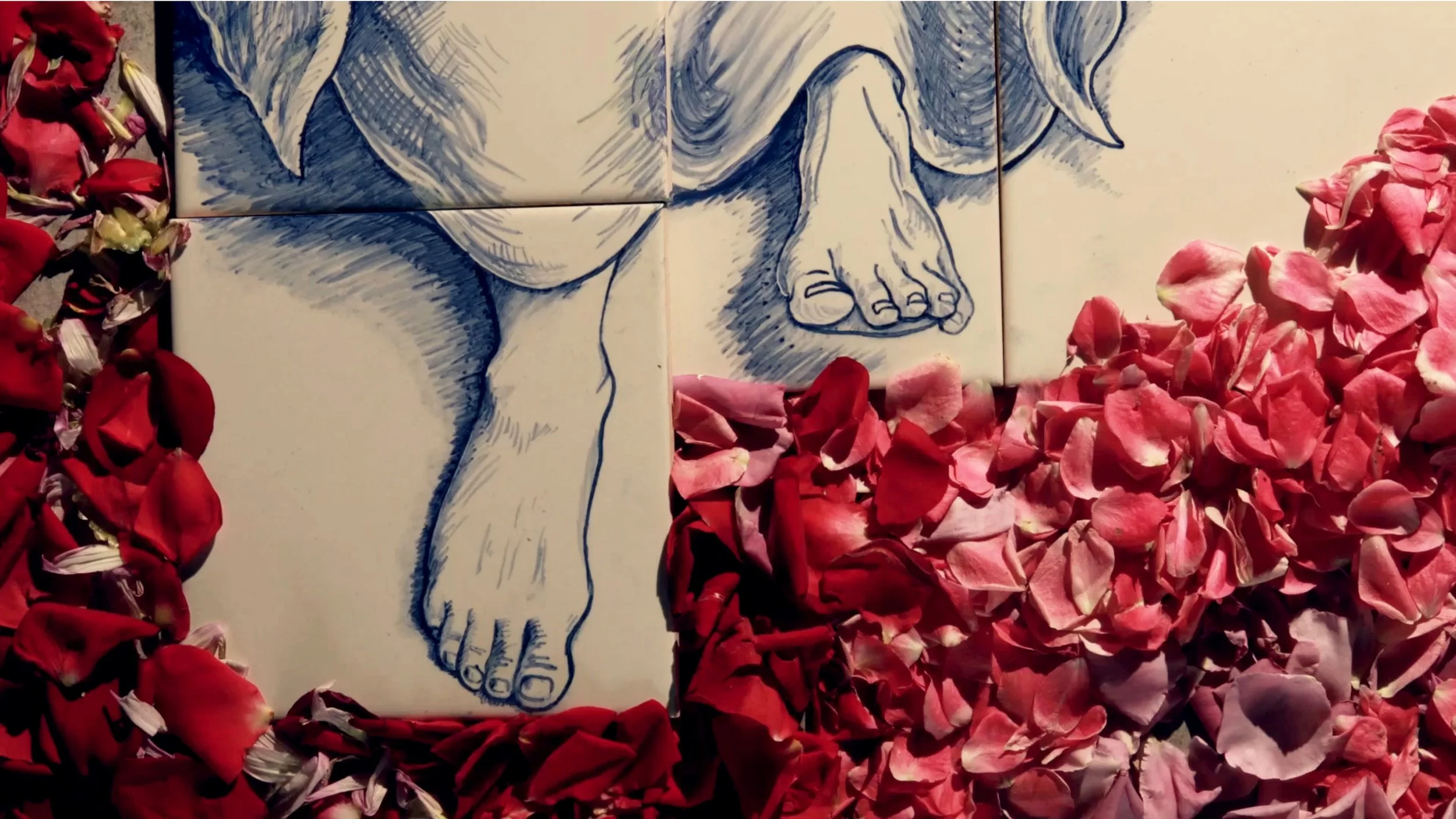
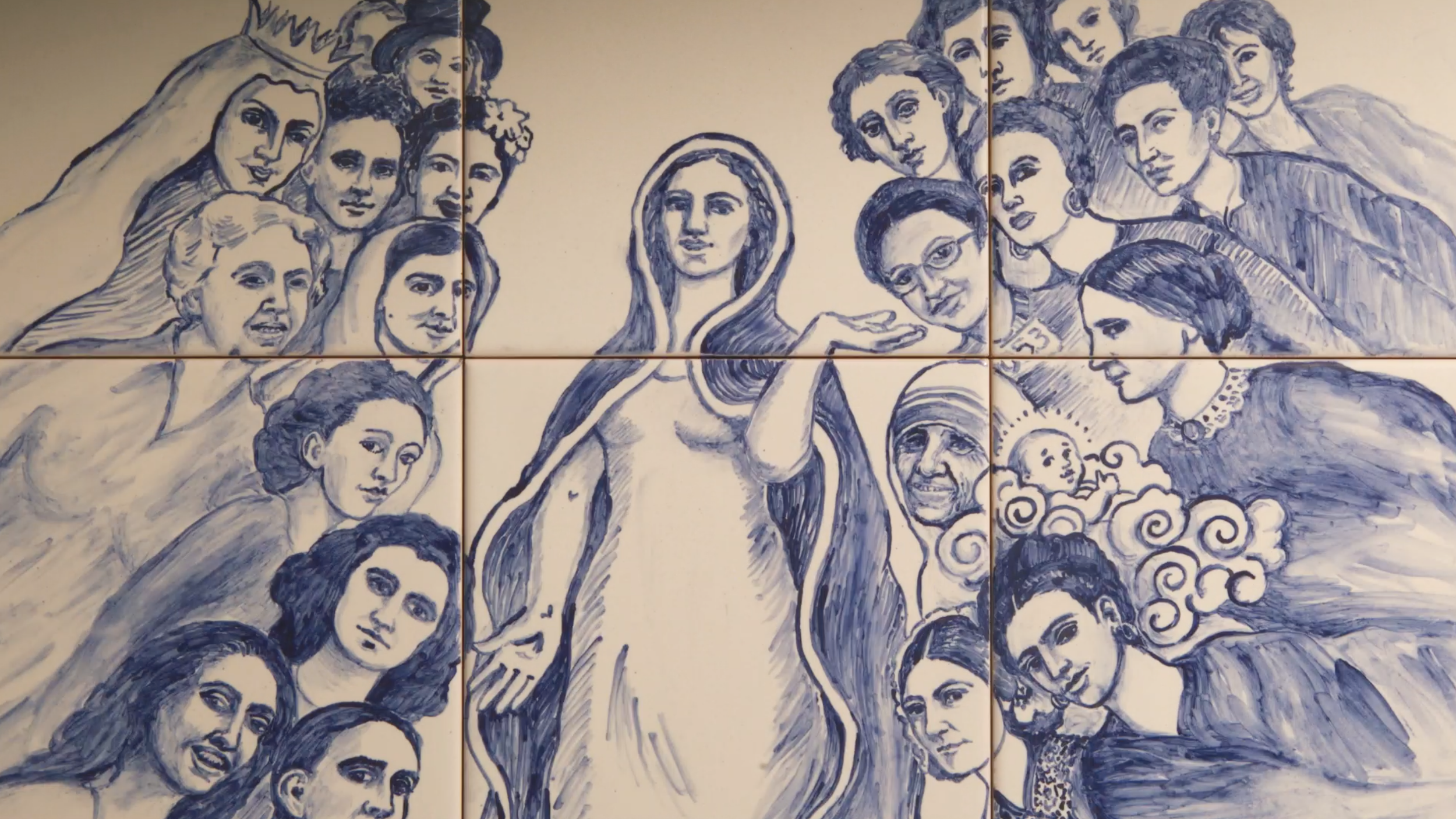
This project is inspired by the art of Portugal with an animation technique using hand-painted azulejos, blue and white tiles, like those that decorate many buildings and are featured in murals of saints and royalty. Pushing a traditional medium in a novel, experimental direction complements the film’s other subversive intentions such as honouring another less recognized side of our human story, women’s history. To paraphrase McLuhan, “the medium becomes the message”—making the film more memorable. Experimenting with “tile possibilities” can create a film language—they can be broken, reformed through cinema magic, repeated to form pattern motifs or come off the walls and floor to be animated in other physical spaces. Over twelve thousand tiles were painted and fired to bring the animation to life.
This brief celebration in song and dance of women in history using traditional dance from Fandango to modern Hip-hop, reminds us in a playful way of the vast history of powerful, intelligent and creative women who have been inspiring models. But the film also takes urgency from political realities that have made so many of us wonder, after lifetimes of resisting misogyny and repression, really, do we still have to protest this? Apparently yes. Besides Mary, there are glimpses of about 170 celebrated women of history. Viewers might recognize some but many they will not know, reminding us of our woeful ignorance. Hopefully this will inspire us to further exploration.
Another primary intention of the film is to subvert the myth surrounding Mary, mother of Jesus, who still remains a transcendent figure of female spirituality, love and forgiveness. She is a Jewish woman who is a figure of reverence for Christians (particularly Catholics) and one of the few women mentioned multiple times in the Muslim Quran. But what do we really know of her? Apart from the controversial story of her baby’s conception, we are told that she gave birth in a stable, was forced by a tyrannical king to flee with Joseph and new-born babe as refugees to Egypt, that she raised this son to become a rebel teacher to the disenfranchised and that she witnessed him being crucified for his words. Could such a woman simply be epitomized by the words, “Let it be”? I well imagine that if she could speak today, she would have a lot to say and deserves to be reclaimed with some updated, perhaps more feminist “testimony”.
Countless artists (predominantly male) have historically recreated Mary’s image and have idealized Woman under her veil. The film expands the range of imaginings, including one metamorphic kaleidoscope of images of her created by 30 artist friends (mostly women), each donating a single drawing of their own version of Mary. —Marcy Page
PENCIL ANIMATION
Further Notes on the Technique
The film was made using traditional Portuguese tiles—azulejos—that were fired with animated paintings on their surface and then were reanimated under camera using stop-motion. Over 12,000 such tiles were fired to create the tile animation.
These traditional 14cm square tiles come bisque-fired and coated with an unfired layer of off-white glaze. Cobalt powder mixed with water is then painted onto this surface with brushes, using water colour painting techniques. When dry, the cobalt can be scratched to reveal the off-white glaze underneath. So it is both an additive and subtractive process. The tiles are then fired in a kiln, which fuses the cobalt pigment to the underlying glaze layer and enhances the contrast. Additional layering and firing can be done to darken the painting.
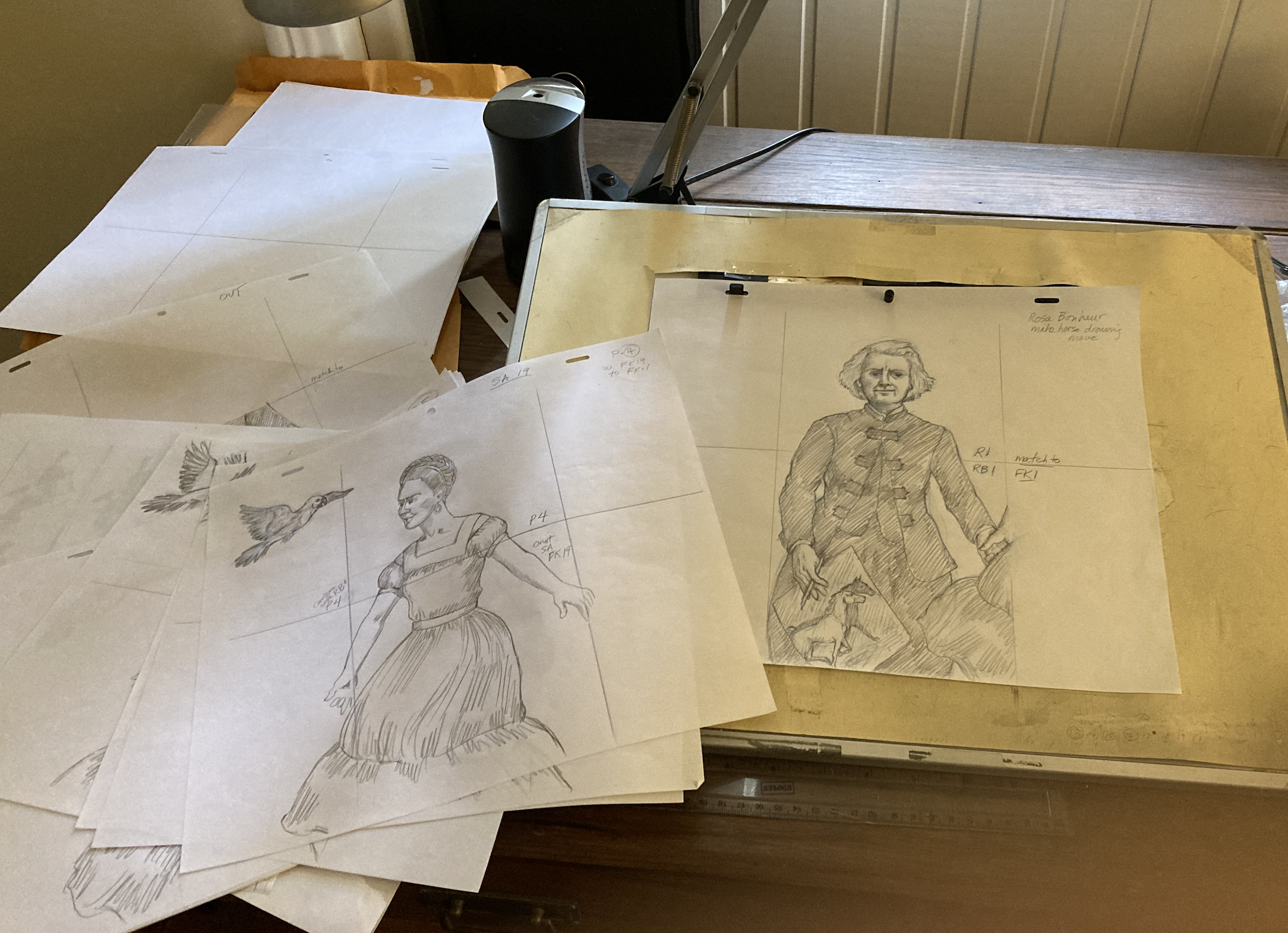
The animation for the surface of the tiles was all done first by hand (no rotoscoping) on paper with pencil by the director/animator. Pencil animation sequences for each shot were made with the same DragonFrame Software used for the final shooting. These sequences were then projected frame by frame onto the blank tile setups, using mini-projectors. The tile painting artists carefully traced the projected pencil animation with cobalt paint onto the tiles, which were then fired.
If painting density varied too much from tile to tile or if edges of animation were missed, this could be touched up with acrylic paint during the shooting. The final shooting employed stop-motion techniques. Shots were roughly choreographed using drawing guides and DragonFrame software. Some final sequences were shot on green screen backgrounds and later composited using AfterEffects. Rare sequences that were final edited in extreme close-up, not originally contemplated, had to be digitally touched-up by the director using Photoshop. All the techniques were fairly “old school” and low tech. No AI.
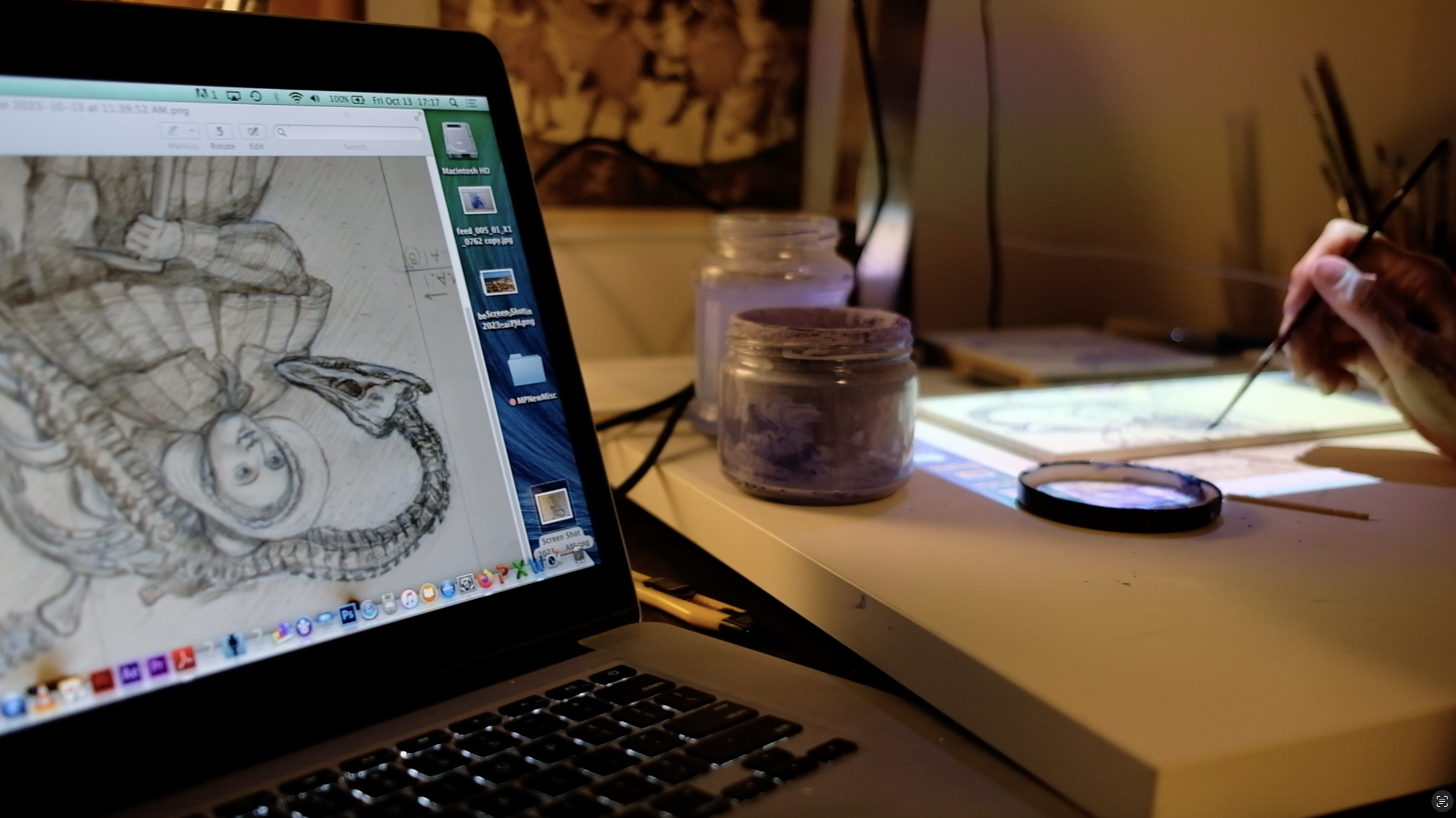
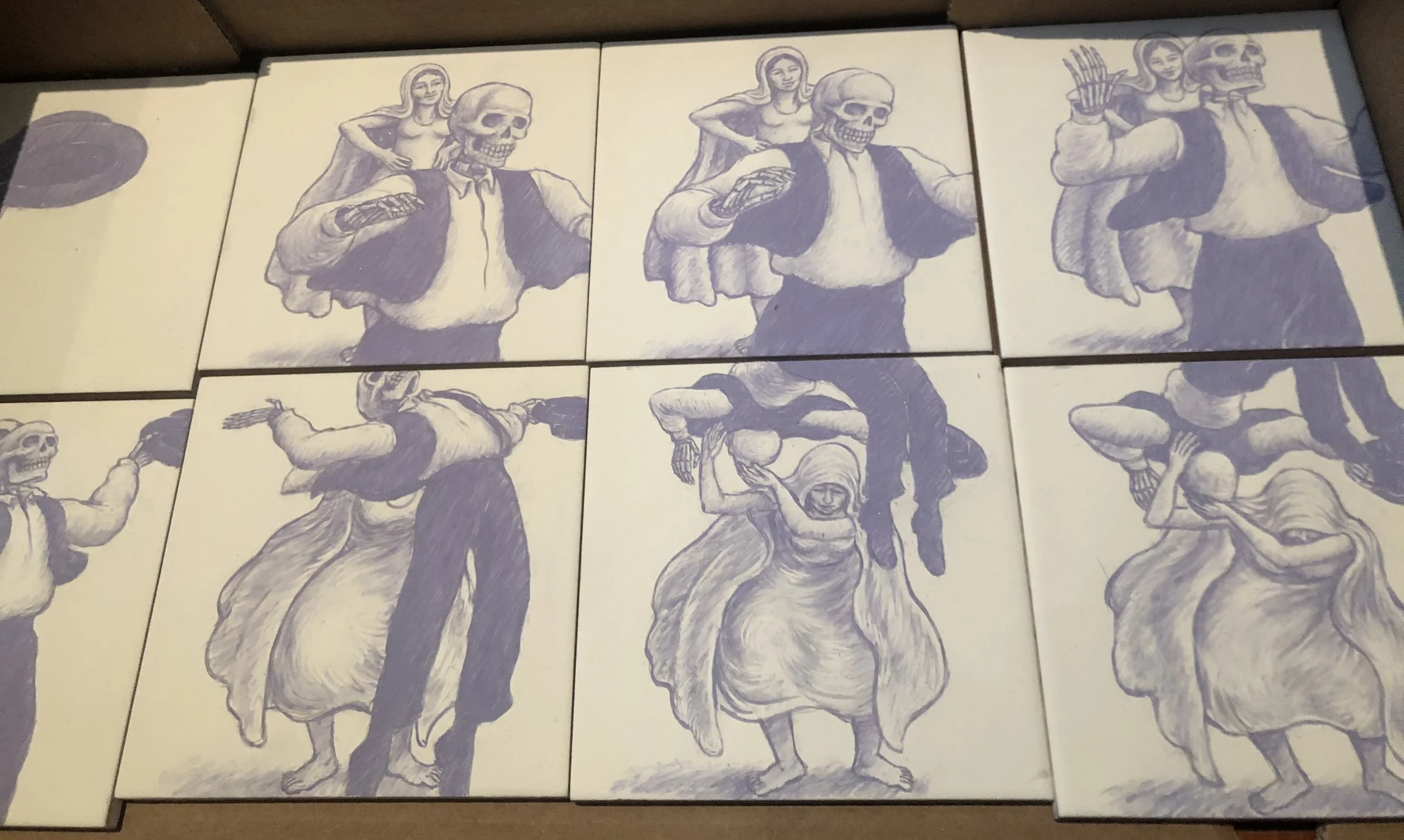
PROJECTING IMAGE ONTO TILES AND TRACING WITH COBALT PIGMENT
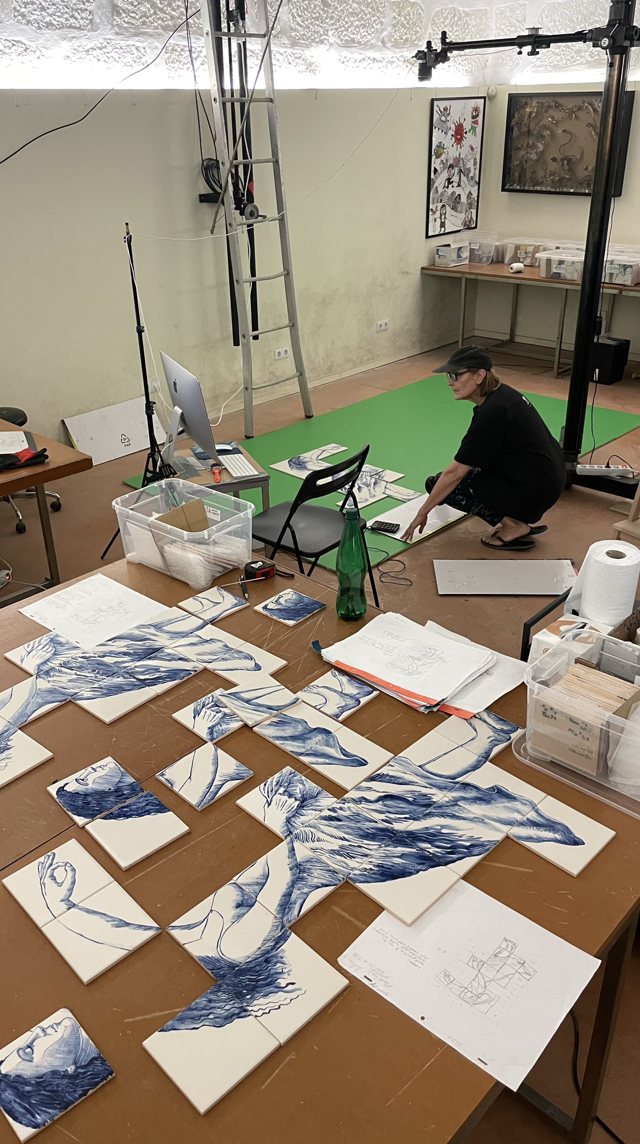
UNFIRED TILES
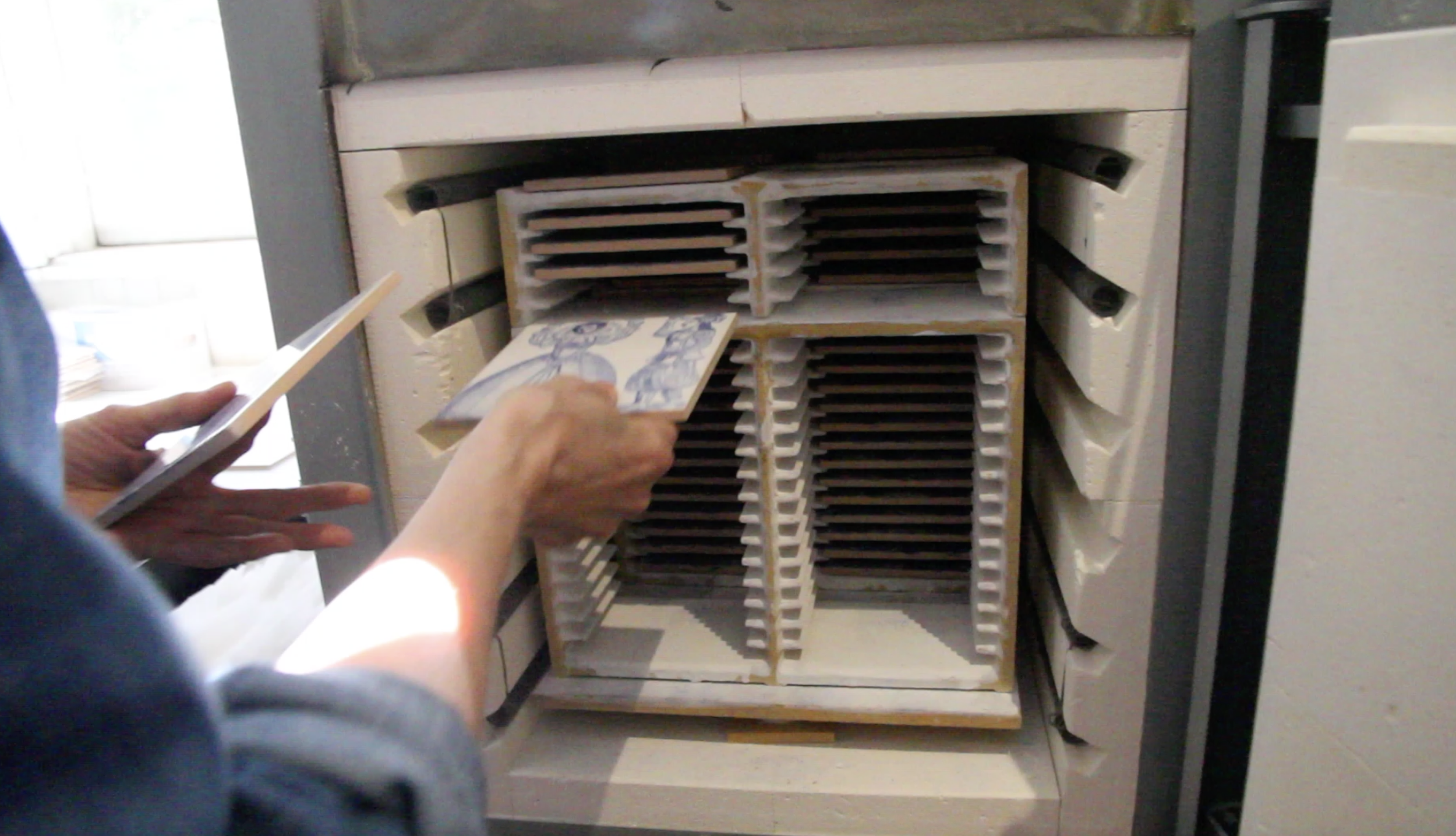
UNLOADING KILN
SHOOTING MARY’S SOLO DANCE
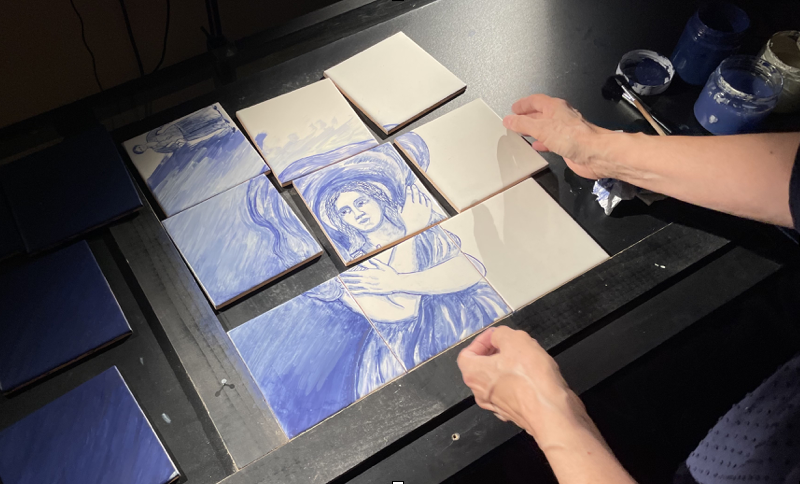
SHOOTING SMALLER SETUP
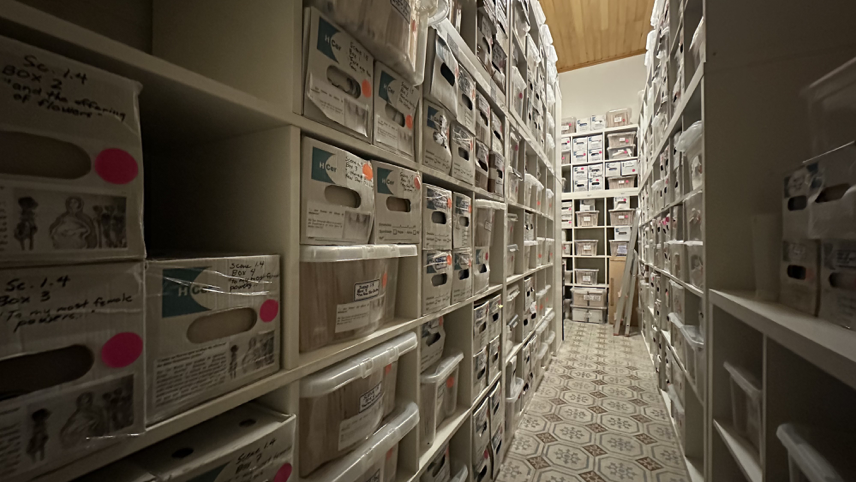
STORING TILES
The TEAM
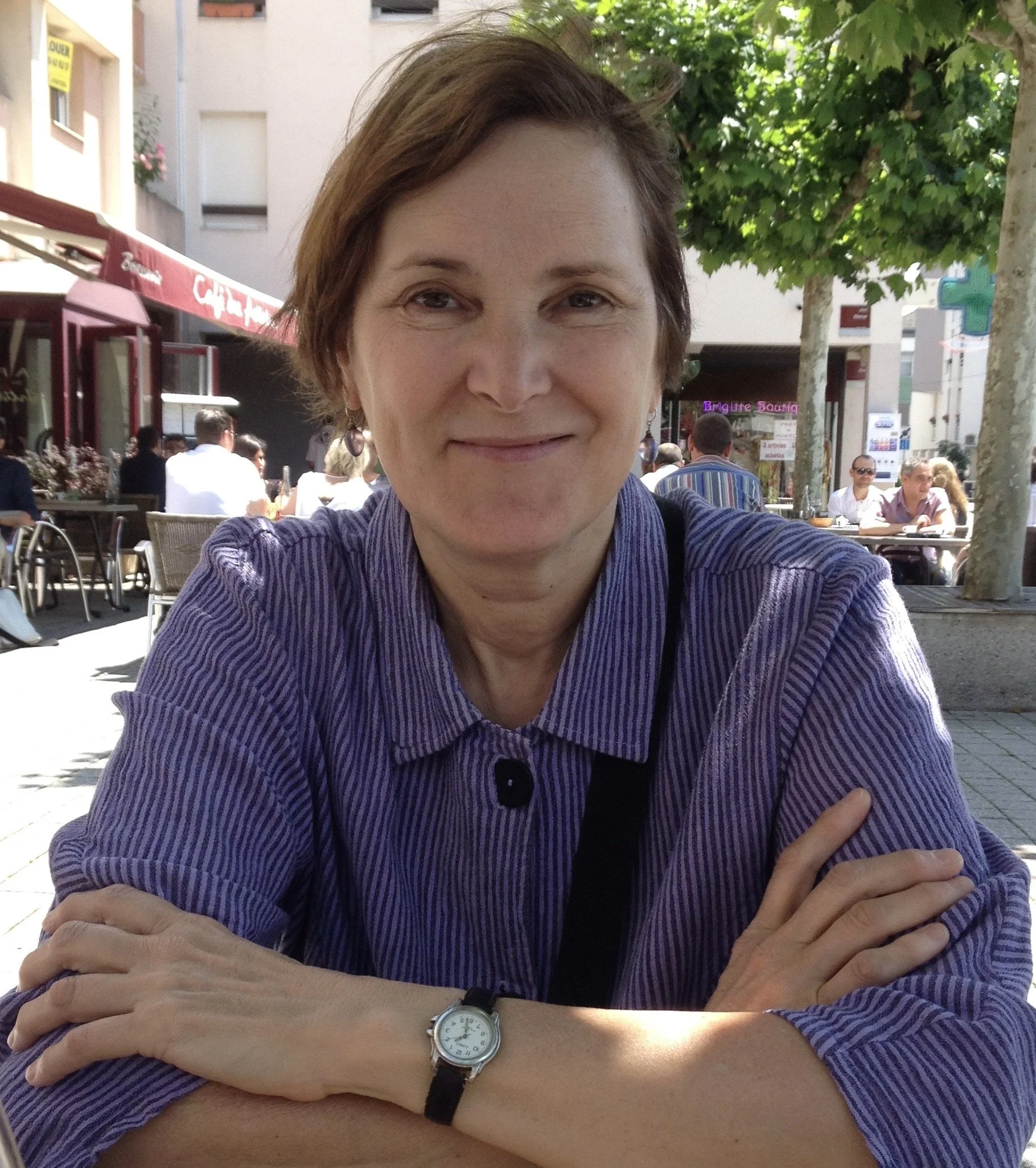
MARCY PAGE (Virgin Fandango Producer, Director, Animator (2D on Tiles & Stop-motion), Designer, Writer, Lyricist and Main Vocalist)
Marcy Page is an animator, animation director and producer who has pursued an interest in animated film for many decades. Born and raised in California, she free-lanced in animation with over a dozen Bay Area companies and taught animation courses at San Francisco State University and California College of Arts & Crafts in addition to pursuing her personal animation. Her first independent film Paradisia (1987) was awarded at over a dozen international festivals.
She immigrated to Canada and joined the National Film Board of Canada in 1990, ultimately becoming a producer in the NFB's English animation studio. She sought out eclectic and unusual productions and co-productions, working with seasoned NFB directors and talented newcomers, always pushing the boundaries of the form. These over 60 films earned around 350 international awards and honours for the NFB. Six earned nominations in Short Animation from the Academy of Motion Picture Arts and Sciences for their directors with two going on to win the coveted Oscars®. The latter included Chris Landreth’s acclaimed CG “documation” Ryan (2004)and Torill Kove’s wry short, The Danish Poet (2006). The other Academy nominations included two more shorts by Torill Kove as well as Chris Lavis and Maciek Szczerbowski’s haunting puppet animation, Madame Tutli-Putli (2007) and Amanda Forbis’ and Wendy Tilby’s tale of Canada’s untamed west, Wild Life (2011).
Marcy Page has received several career awards for her work including the 2023 Winsor McCay Award from the Annies for contributions to the Art of Animation and the 2015 Réné Jodoin Award for Lifetime Achievement.
She retired from the NFB with plans to pursue her first love, directing and animating more personal work. Virgin Fandango is a project that she created, inspired by Portugal where she spends her summers with her husband, Normand Roger and with their inspiring partners in Casa de Vilar, Abi Feijó and Regina Pessoa, who contributed significantly to Virgin Fandango.
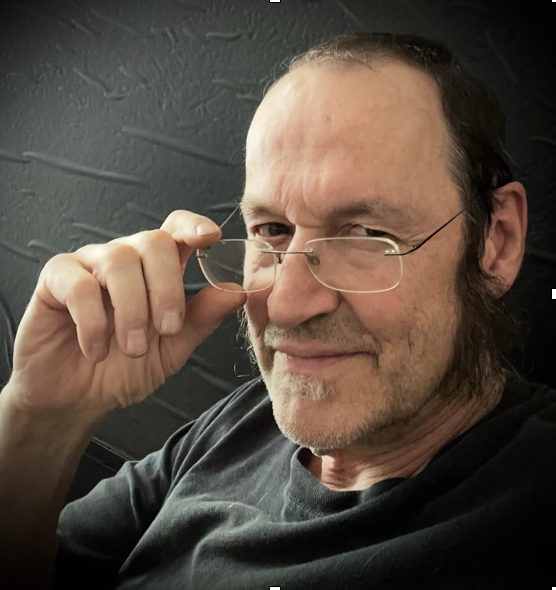
ABI FEIJÓ (Virgin Fandango Producer, Editor, Compositor, Technical Director)
Abi Feijó is a director, producer, teacher of animation cinema and director of the Casa Museu de Vilar. He received a degree in Fine Arts from Porto in 1980 and interned at the National Film Board of Canada in 1985, where he made his first animated film. He was the founder of Filmógrafo, Casa da Animação, Ciclope Filmes and the Casa Museu de Vilar.
As a director, his films include, among others: How Calm it is, Time of Darkness, The Outlaws, Fado Lusitano, Stowaway and Our Lady of Presentation (co-directed). These films received more than 40 awards.
His work as a producer includes: The Night, Tragic Story with a Happy Ending, Kali the Little Vampire and Uncle Thomas Accounting for the Days, 4 films by Regina Pessoa, Interstices by Marina Graça, Amelia & Duarte by Alice Guimarães and Mónica Santos, Ride by Paul Bush and Altötting by Andreas Hykade. These films have received more than 170 awards. He currently is producing two projects with Regina Pessoa.
He continues to direct animation workshops and has taught in many colleges and universities worldwide and served as President of ASIFA, the International Animated Film Association (2000-2002) and Vice President of the ASIFA Workshop Group (1995-2001). He also continues to make presentations using Magic Lantern and Optical Theatre devices.
He has received 14 awards recognizing his career (national and international), including the prestigious “Comendador da Ordem do Infante Dom Henrique”, awarded by the President of Portugal, Dr. Marcelo Rebelo de Sousa, for outstanding service in promoting Portuguese culture.
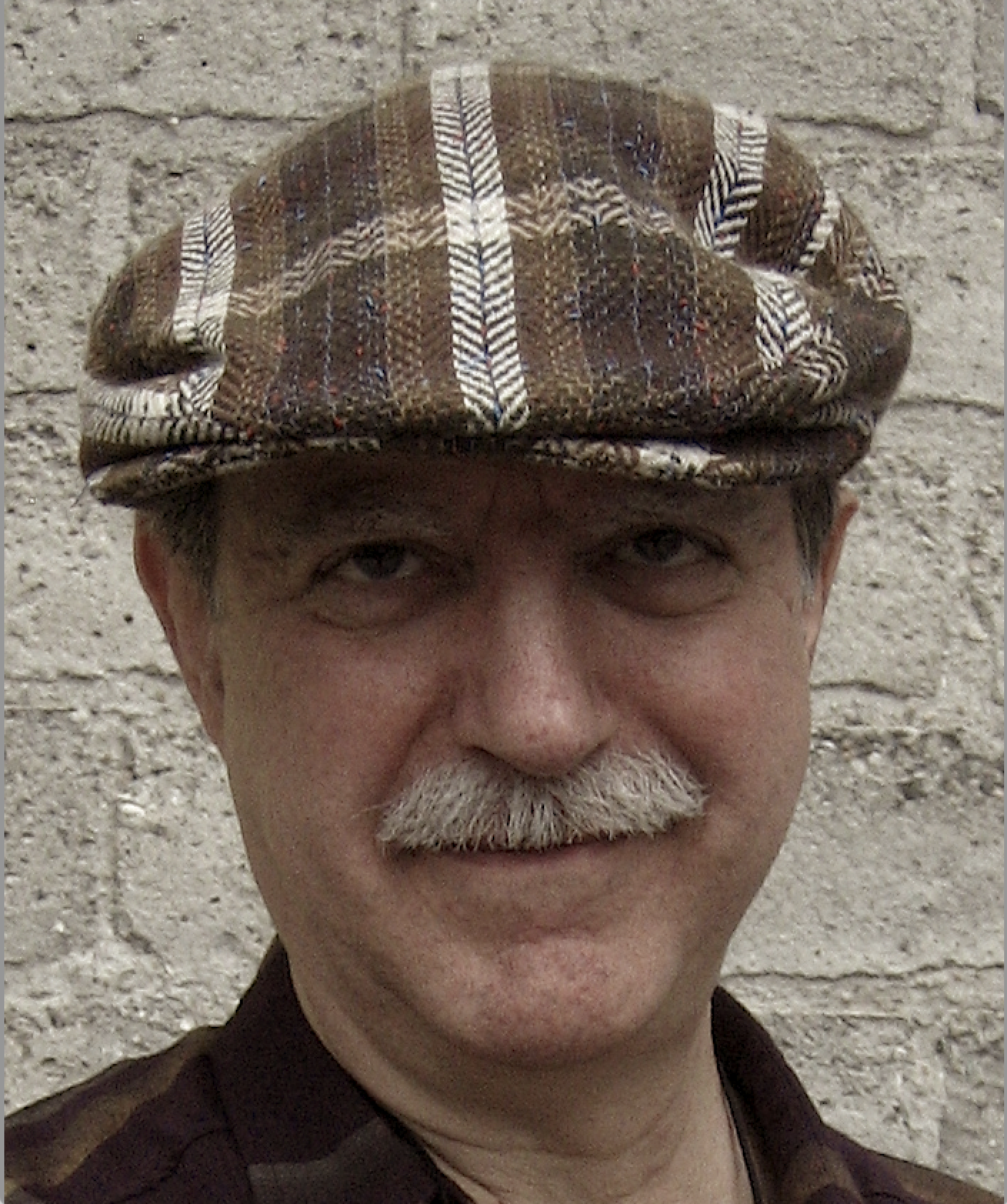
NORMAND ROGER (Virgin Fandango Producer, Composer, Sound Designer, Musician, Stop-motion Assistant)
Born in Montreal, Normand Roger began his career as a freelance composer in 1971 for the National Film Board of Canada. Although he has worked primarily in the domain of animation, with well over two hundred sound tracks (often creating the full soundtrack including sound effects), he has also composed music for documentaries, features, television dramas, children series, commercials, multi-media installations and many music themes for television in Canada and in the US.
He is known abroad largely due to the success of the animated films on which he collaborated. These films have garnered several hundred prizes in international festivals including 13 Nominations for Academy Awards of which 6 received Oscars®. He has also been invited regularly to give lectures on the theme of "Music & Sound for Animation" which remains his field of choice.
He has been associated with the work of some of the best known figures in animation such as Frederic Back, Paul Driessen, Co Hoedeman, Eugene Fedorenko and Rose Newlove, Regina Pessoa, Craig Welch, Alexandre Petrov, Gayle Thomas, Ishu Patel, Bretislav Pojar, Raimund Krumme, Caroline Leaf, Lynn Smith, Sheldon Cohen, Joyce Borenstein, George Ungar, Claude Cloutier, Michèle Lemieux, Munro Ferguson, Théodore Ushev, Marv Newland, Janet Perlman, Derek Lamb, Pierre Hébert, René Jodoin, Roberto Catani, Nicolas Brault, Piotr Sapegin, Chris Hinton, Michael Dudok de Wit, Pierre-Luc Granjon, Georges Schwitzgebel, Vladimir Leschiov, Joanna Priestley, Koji Yamarura, Izabela Pluchinska, Marcy Page and many others. Other recent work includes “A Bear Named Wojtek” by Iain Gardner (2024).
Virgin Fandango Tile Painting (Azulejos) Artists
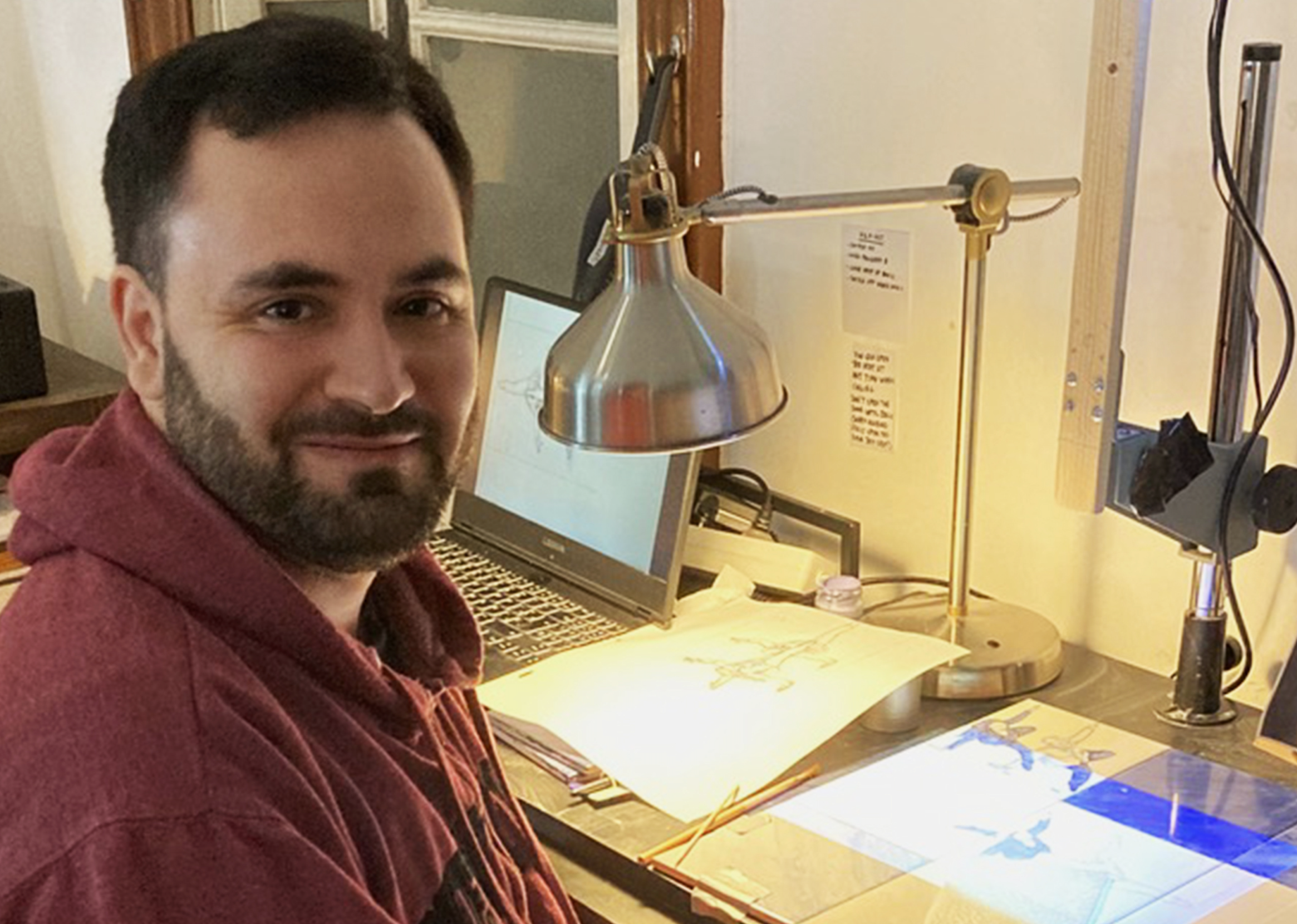
ANTONIO NICOLÁS GUILLÉN
Antonio Nicolás Guillén is an accomplished artist and illustrator from Spain, where he had a degree from the Escuela de Arte de Murcia. While transitioning from a career in law to art, he interned as an illustrator for the local newspaper, La Opinión de Murcia. He also participated in artistic shows and events such as Zorroclocos e Lobos, FAM and Icon Talents and continued to self-publish Fanzines. In addition to numerous freelance illustration projects, he has worked as an animator and/or editor on music and educational videos, as a cover artist for musical groups, and as a poster designer for various cultural events and associations.
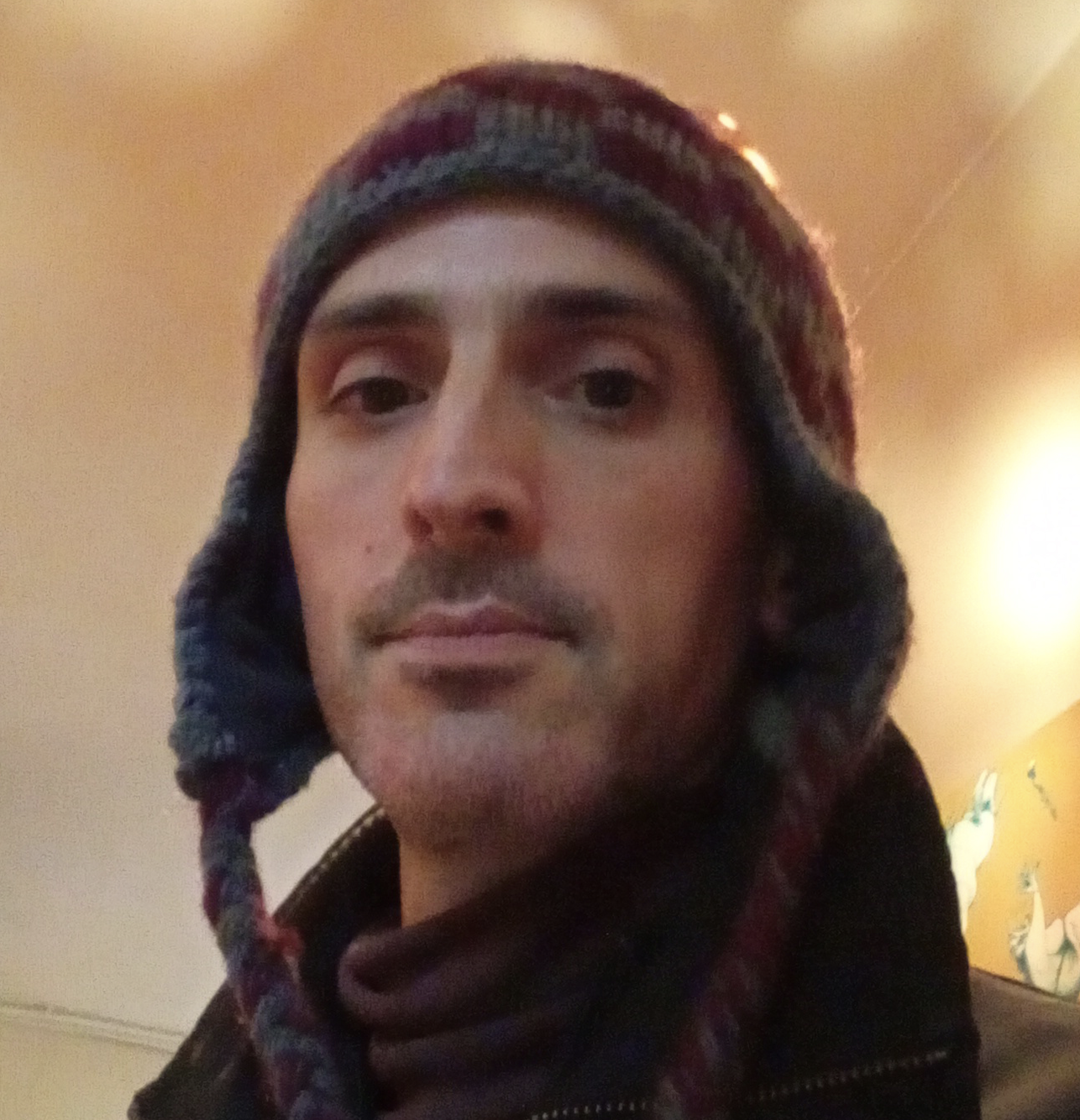
ANDRÉ MARQUES
André Marques from Braga, Portugal, attended the Conservatório de Música Calouste Gulbenkian and the Carlos Amarante School as his interests gravitated from music to the visual arts. While taking painting coursework at the Porto University in the mid 1990’s, he began a collaboration with Filmógrafo, founded by Abi Feijó, specializing in auteur, handcrafted animation. There in addition to learning the craft and helping on other author projects, he directed and animated three short films for Radio & Television Portugal’s version of Sesame Street. He was awarded a young cineast prize for one of them, (Transformações) in 1997, and an honourable mention for the Cartoon Portugal at the Cinanima Festival. He also directed O Acidente (2008). After a stint at Sketchpixel, a company dedicated to 3D content, he periodically freelanced, drawing and animating on independent animated films, including Entre linhas by Paulo D'Alba, Surpresa by Paulo Patrício, Uncle Thomas Accounting for the Days by Regina Pessoa, Altötting by Andreas Hykade and Terminal by Alexandre Siqueira.
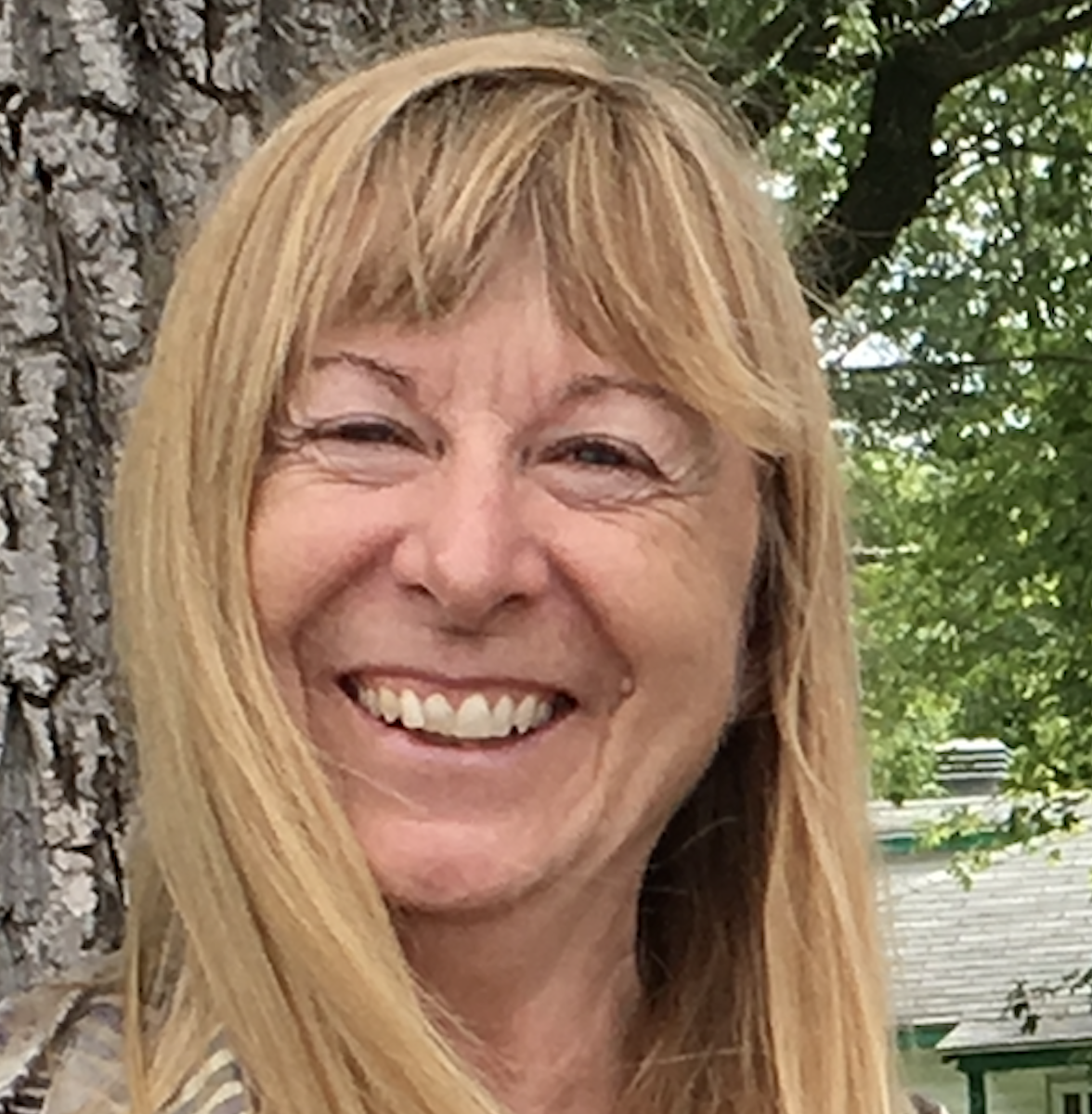
BELINDA OLDFORD
Canadian Belinda Oldford’s long animation career has encompassed commercial studio work for Montreal companies like Potterton Productions, CinéGroupe, Cinar and Crayon and the Ireland-based Sullivan Bluth Studio and included projects like the features Heavy Metal (1981), All Dogs Go to Heaven (1989) and Rock-a-Doodle (1991) and the Spirou television series (1993-95) based on the Franco-Belgium comics.
Her independent animation filmmaking includes directing and animating shorts like Come Again in Spring (2007) for the National Film Board of Canada, animation sequences for Nova and independent Interactive media such as Living on the Land. She also maintains a dedicated personal visual arts practice. She has enjoyed her work with talented fellow artists and animators and now turns a creative eye to new and diverse projects.
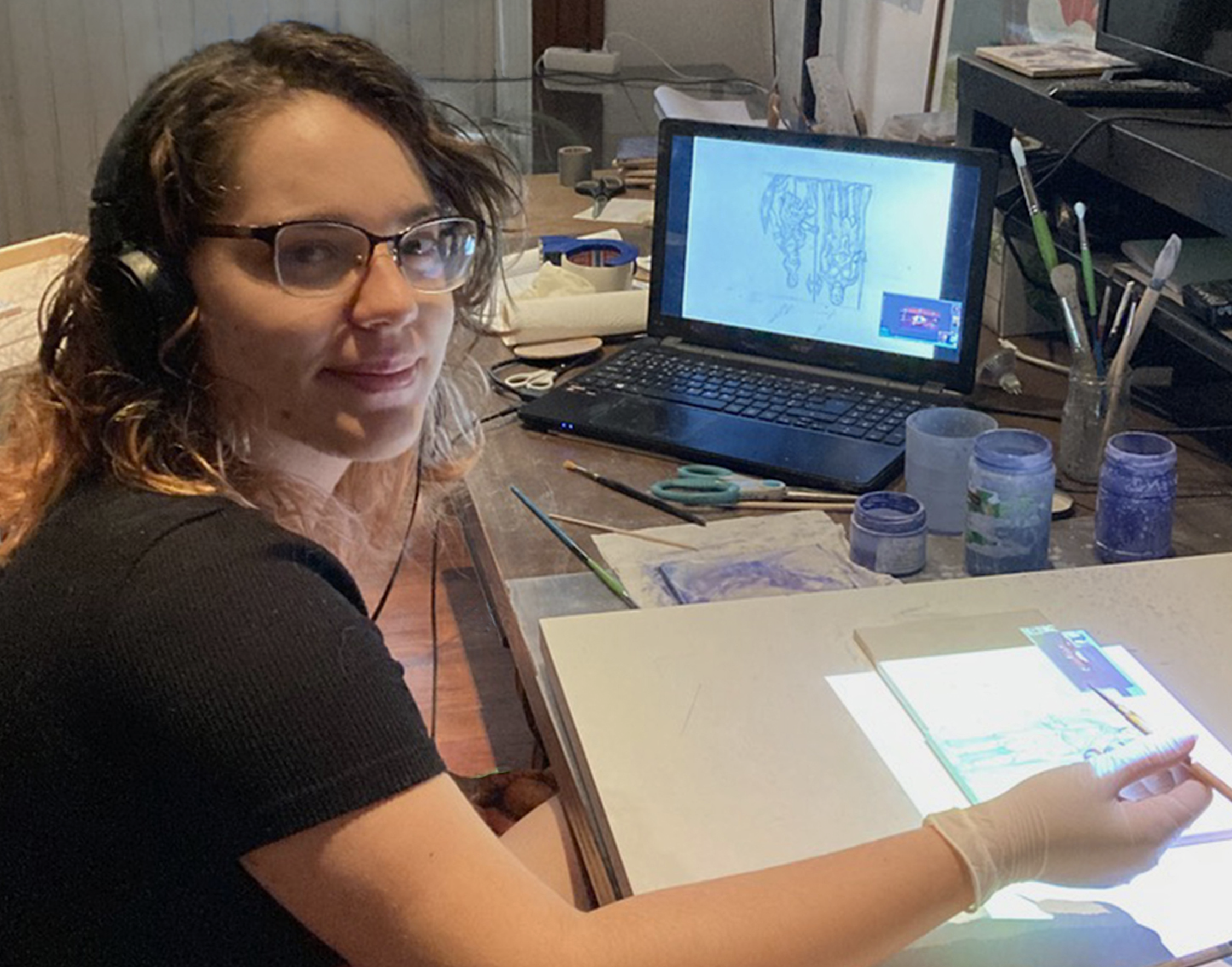
NEUZA VIEGAS
Neuza Viegas describes herself as "A simple artist from the sunny beaches of Algarve” who had the opportunity to work on Virgin Fandango shortly after finishing her bachelor’s degree in Animation at the University of Algarve. She declares that she currently lives “a quiet life keeping my doodles to beach sand and artistic passion directed to social platforms and public interaction.”
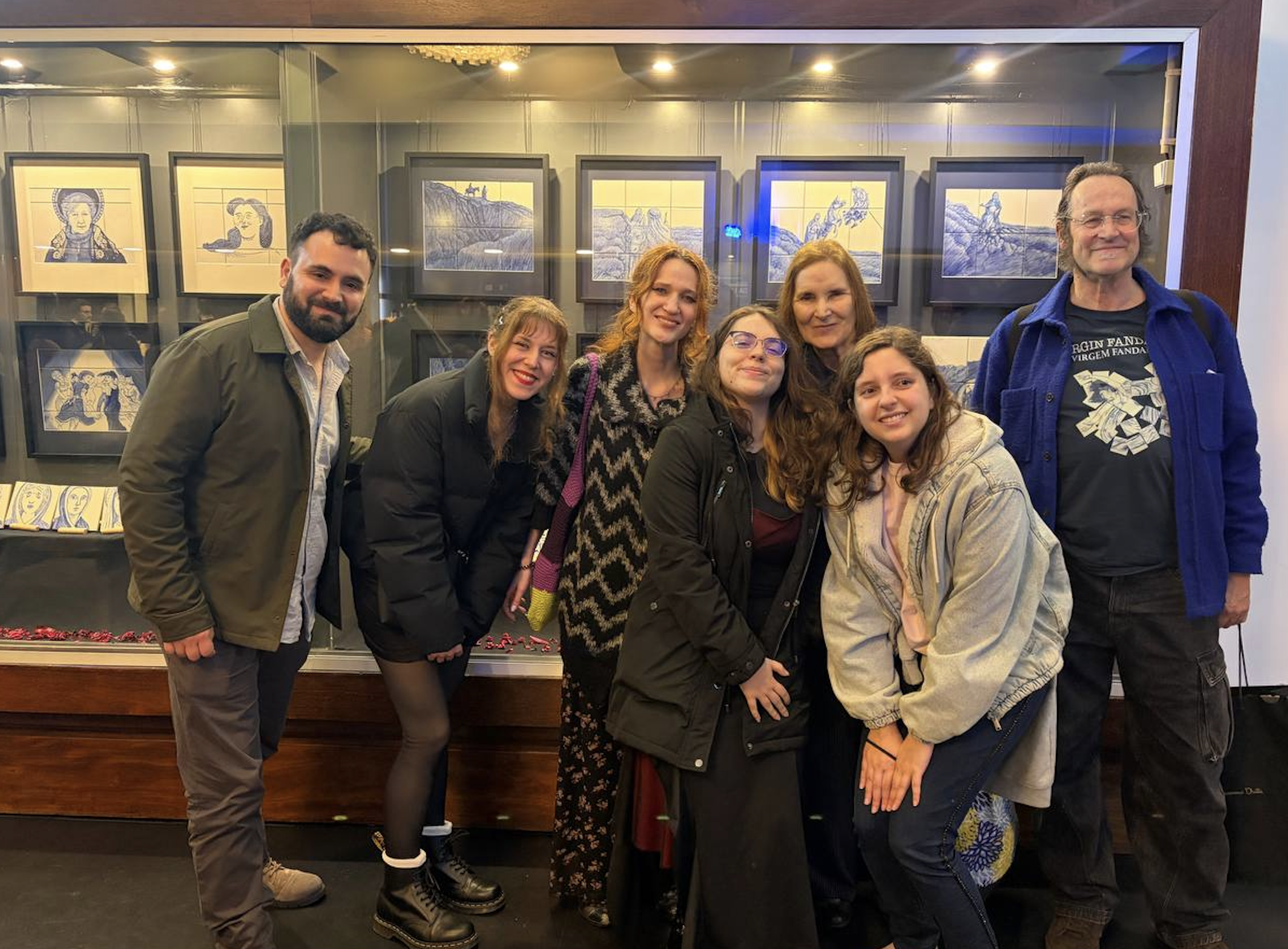
Photo taken at the Monstra Festival Portuguese premiere in front of a display of some production tiles. Antonio, Neuza, Marcy and Abi are shown with the three interns who worked for a time on the project: Julia Guerrero, Filipa Ferreiro de Almeida and Julia Roldão Morgan Boueri.
Special thanks to our “gadget maven” and source of constant inspiration Regina Pessoa!
The Sound & Music of Virgin Fandango
The original music composed by Normand Roger with lyrics & vocals by Marcy Page, features musicians including Normand’s long-time collaborators Denis Chartrand, Michel Dupire and Alain Bertrand as well as Samuel Martins Coelho, Pierre-Yves Martel and Lígia Silva. Normand Roger also designed the soundtrack and recorded the music and sound FX. Additional music recording was by Alexandre Braga. François Arbour provided music pre-mix assistance. Pierre Yves Drapeau carried out the Final Mix.
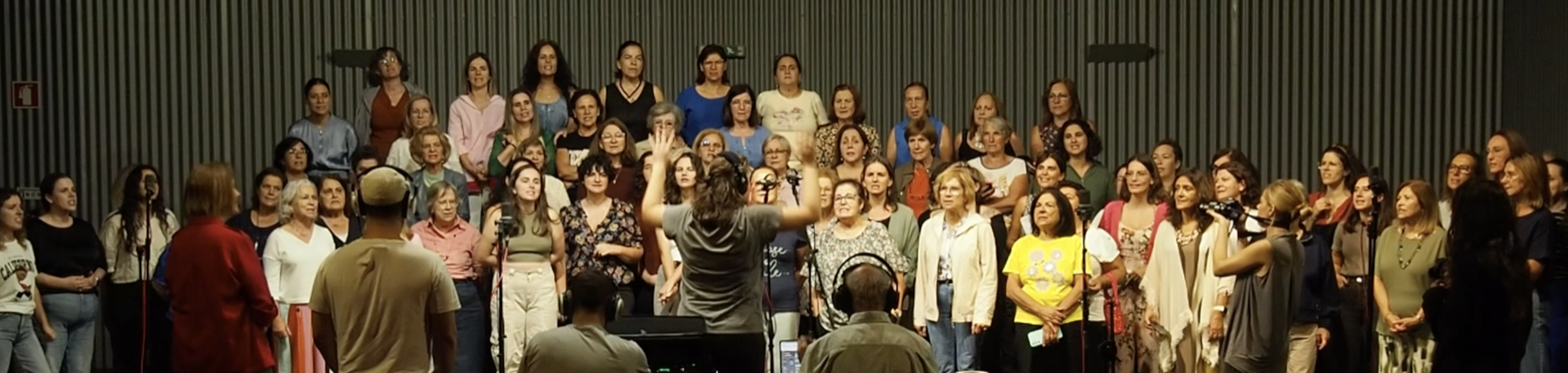
Another very significant element in the music was the rousing contribution of the women’s choir from Braga, Portugal—Braga Fora - Coro Comunitário de Mulheres. Their performance, that included over seventy women of all ages, was organized and directed by Catarina Silva and Rebeca Rego.
Diane Obomsawin
Belinda Oldford
Nina Paley
Michaela Pavlatova
Janet Perlman
Regina Pessoa
Joanna Priestly
Joanna Quinn
Mónica Santos
Daniel Schorr
Lynn Smith
Veronika Soul
Wendy Tilby
Theodore Ushev
Neuza Viegas
Shira Avni
Michèle Cournoyer
Paul Driessen
Abi Feijó
Amanda Forbis
Laura Gonçalves
Antonio Nicolás Guillén
Alice Guimarães
Andreas Hykade
Louise Johnson
Candy Kugel
Caroline Leaf
Michèle Lemieux
Florence Miailhe
Artists who Contributed a Drawing of Mary
Additional Post-Production
Post-production assistance from the National Film Board of Canada FAP had technical coordination by Stéphanie Quevillon and Luc Binette. Manuel A. Codina did the online and colour corrections.
Historical Women Featured in the Film (in order of appearance)
Marlene Dietrich
Rainha Santa Isabel
Marie Curie
Billie Holiday
Eleanor Roosevelt
Malala Yousafzai
Anaïs Nin
Catarina Eufémia
Joan Baez
Georgia O’Keeffe
Mary, Mother of Jesus
“Everyone should agree…”
Adelaide Cabete
Isabel Allende
Virginia Woolf
Simone de Beauvoir
Amália Rodrigues
Rosa Parks
Susan B. Anthony
Mother Teresa
Frida Kahlo
Florence Nightingale
“Joined Hands”
Elizabeth Freeman
Mary
Olympe de Gouges
Mary Wollstonecraft
Sojourner Truth
Harriet Beecher Stowe
Harriet Tubman
Jane Addams
Ida B. Wells
Elizabeth Cady Stanton
Susan B. Anthony

“International Suffragettes”
Lucy Stone
Kate Sheppard
Edith Cowan
Millicent Fawcett
Emmeline Pankhurst
Christabel Pankhurst
Miina Sillanpää
Emily Murphy
Irene Parlby
Nellie McClung
Louise McKinney
Henrietta Muir Edwards
Carolina Beatriz Ângelo
Alice Paul
“Civil Rights”
Eleanor Roosevelt
Coretta King
Rosa Parks
Shirley Chisolm
“Iron Ladies”
Indira Gandhi
Golda Meir
Margaret Thatcher
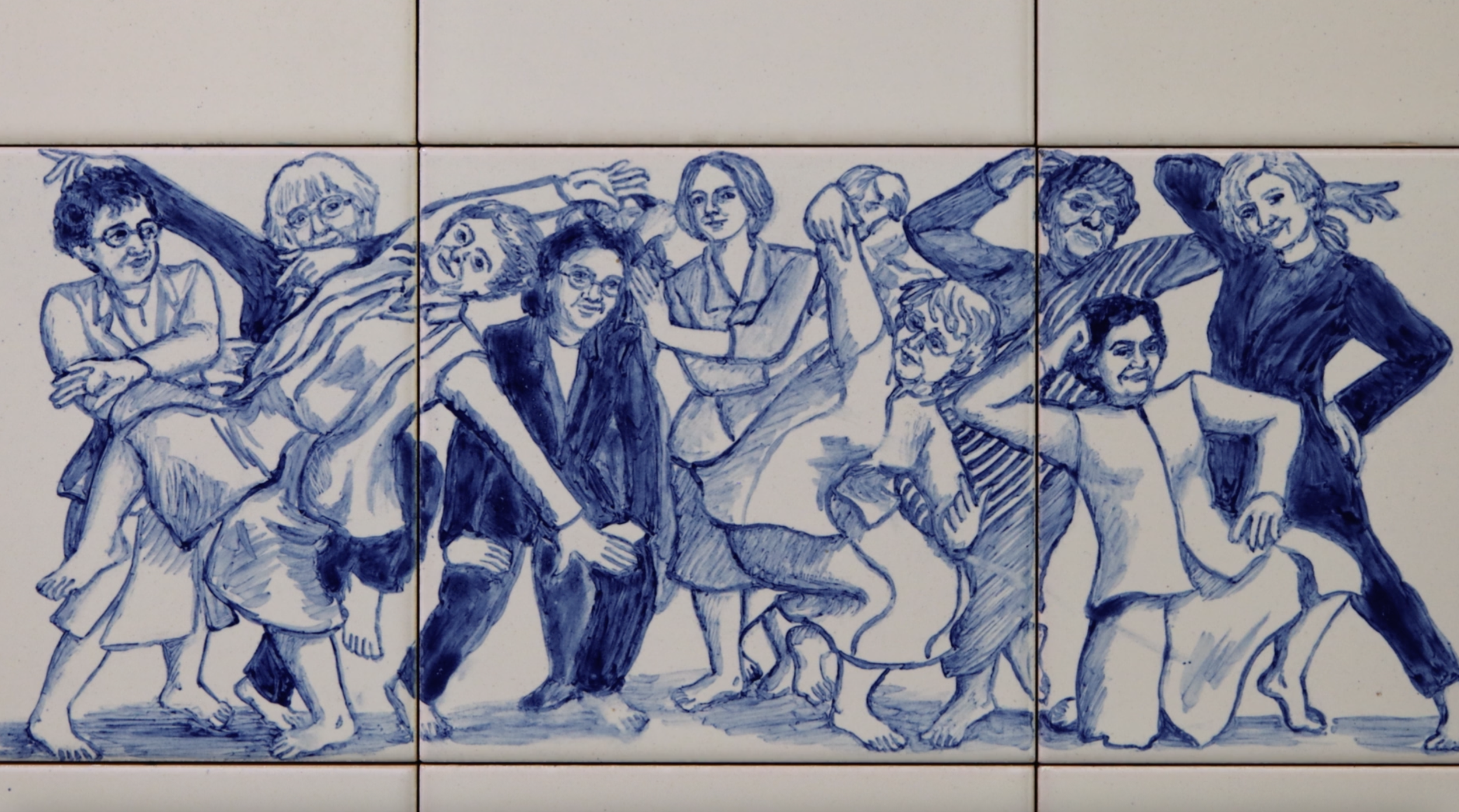
“Hip Hop Politics”
Vigdís Finnbogadóttir
Sirimavo Bandaranaike
Gro Harlem Brundtland
Maria Pintasilgo
Corazon Aquino
Kim Campbell
Michelle Bachelet
Ellen Johnson Sirleaf
Jóhanna Sigurðardóttir
Julia Gillard
Tsai Ing-wen
Angela Merkel
Jacinda Ardern
Michelle Obama
Hillary Clinton
Ruth Bader Ginsburg
Kamala Harris
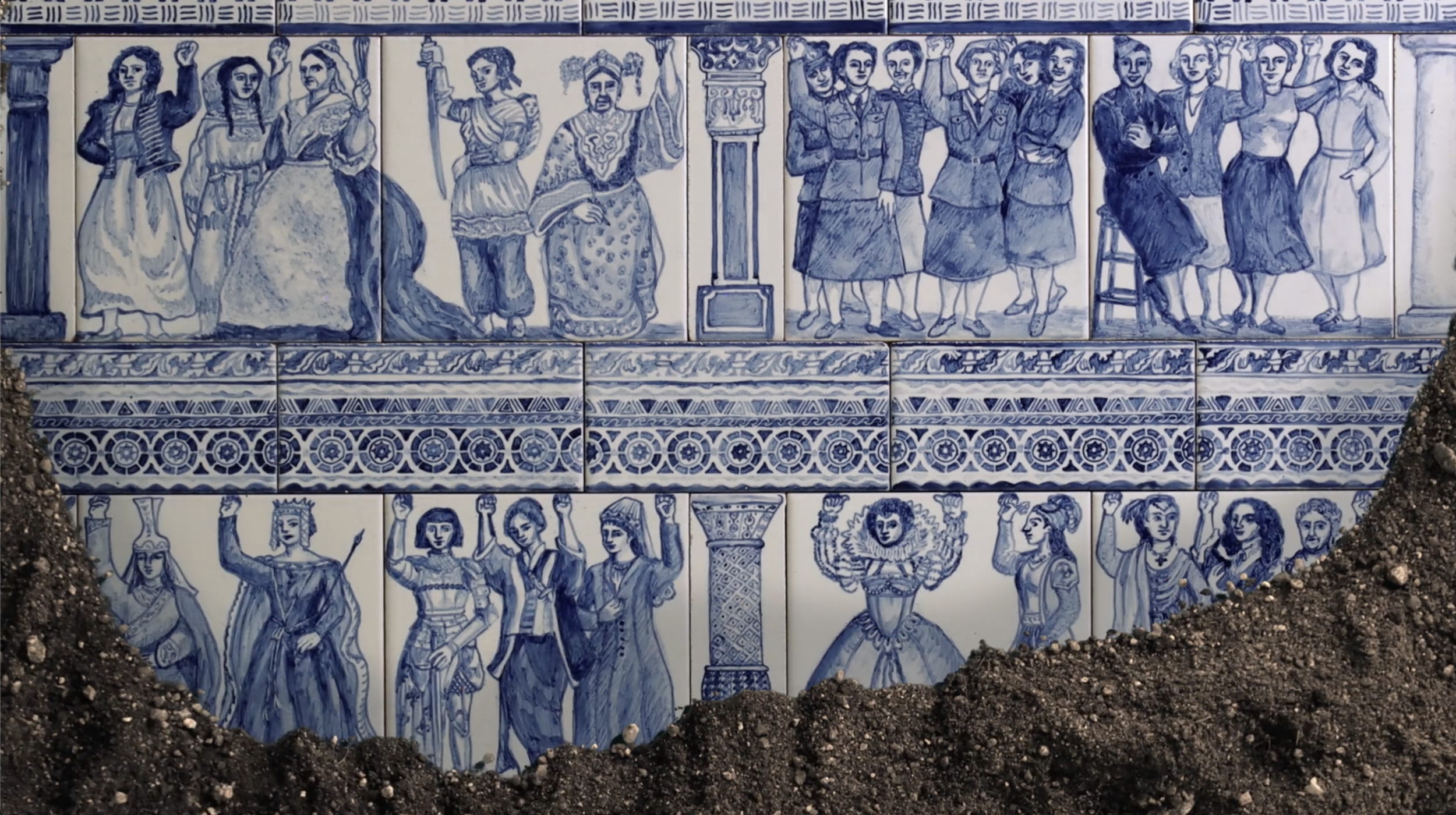
“Archeology”
Zivia Lubetkin
Irena Sendler
Marie-Madeleine Fourcade
Josephine Baker
Nancy Wake
Krystyna Skarbek
Lise de Baissac
Virginia Hall
Vera Atkins
Noor Inayat Khan
Empress Dowager Cixi
Queen Rani of Jhansi
Queen Victoria
Sacagawea
Augustina de Aragón
Catherine the Great
Queen Christina Sweden
Julianna Dias da Costa
Empress Nur Jahan
Queen Elizabeth I
Roxelana, Hürrem Sultan
Mochizuki Chiyome
Joan of Arc
Börte Üjin
Tamar the Great
Eleanor of Aquitain
Æthelflæd of Mercia
Empress Wu Zetian
Empress Theodora
Hypatia
Zenobia
Boudica
Trung Sisters
Cleopatra
Amanirenas, Candace of Kush
Hatsheput
Telesilla
Artemisia l of Cari
Queen Tomyris
Queen Sammuramat
Deborah
Queen Penthesile
Queen Hippolyta
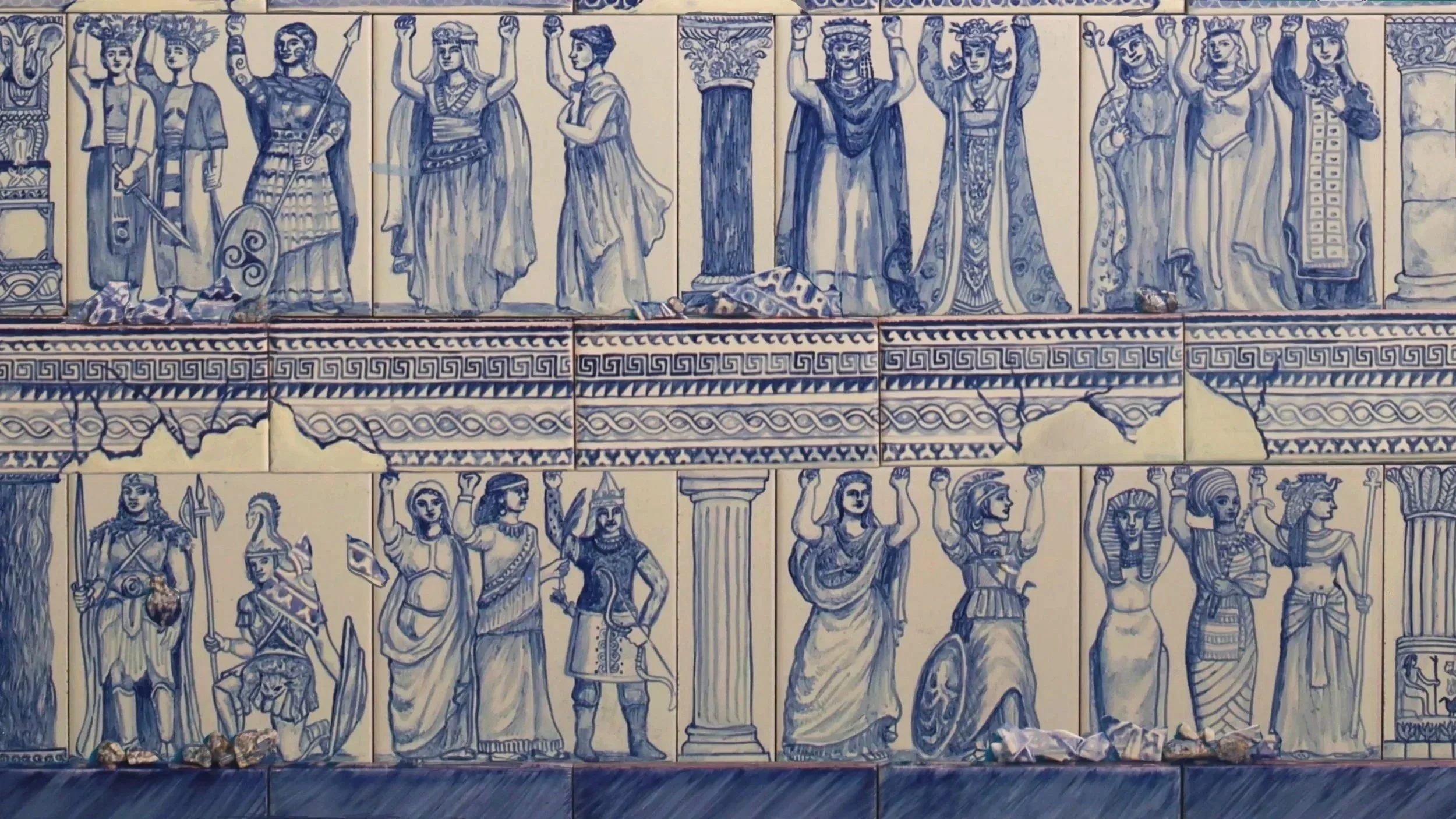
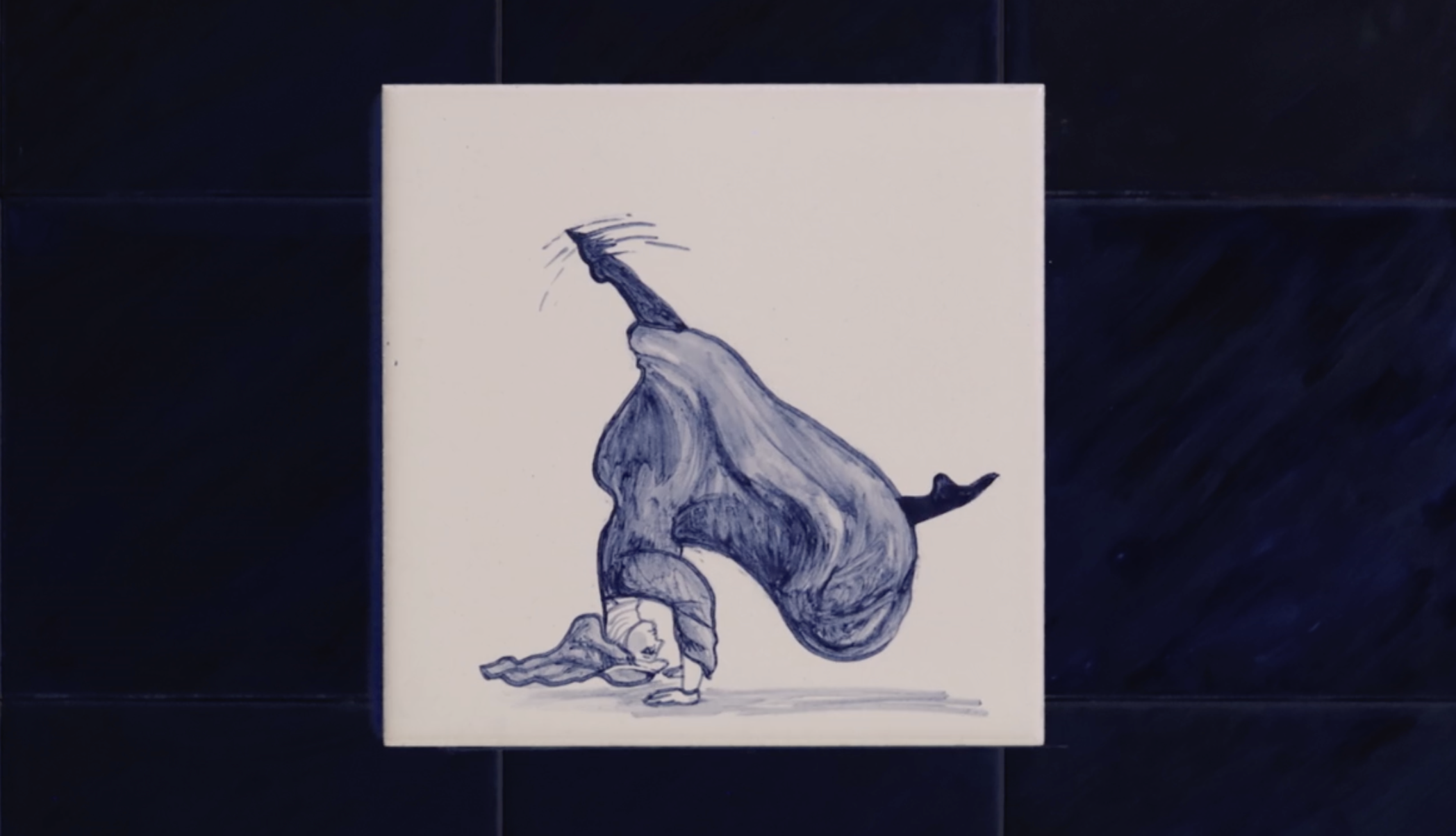
“Flying Nuns”
Marguerite Bourgeoys
Juana Inés de la Cruz
Jeanne Mance
Hildegard of Bingen
“Ancient Authors”
Enheduanna
Sappho
Mirasaki Shikibu
“Literary Ladies”
Jane Austen
Charlotte Brontë
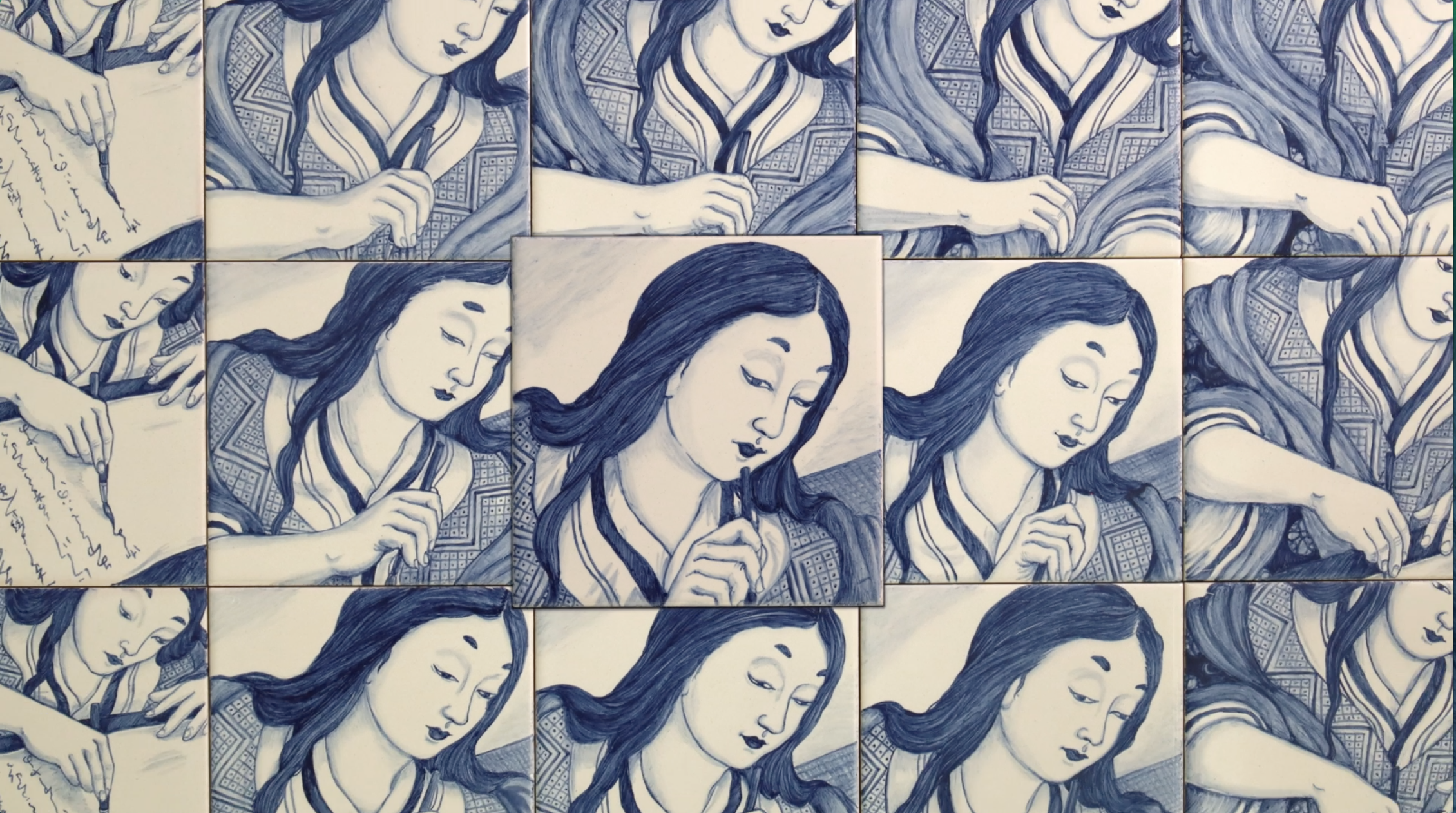
“Writers’ Square Dance”
Alice Walker
Rachel Carson
Anne Frank
Louisa May Alcott
Gabrielle Roy
Margaret Atwood
Toni Morrison
Harper Lee
Hannah Arendt
George Eliot
“Actress Circle”
Mae West
Katherine Hepburn
Marilyn Monroe
Sophia Loren
Audrey Hepburn
Lucille Ball
Carmen Miranda
Marlene Dietrich
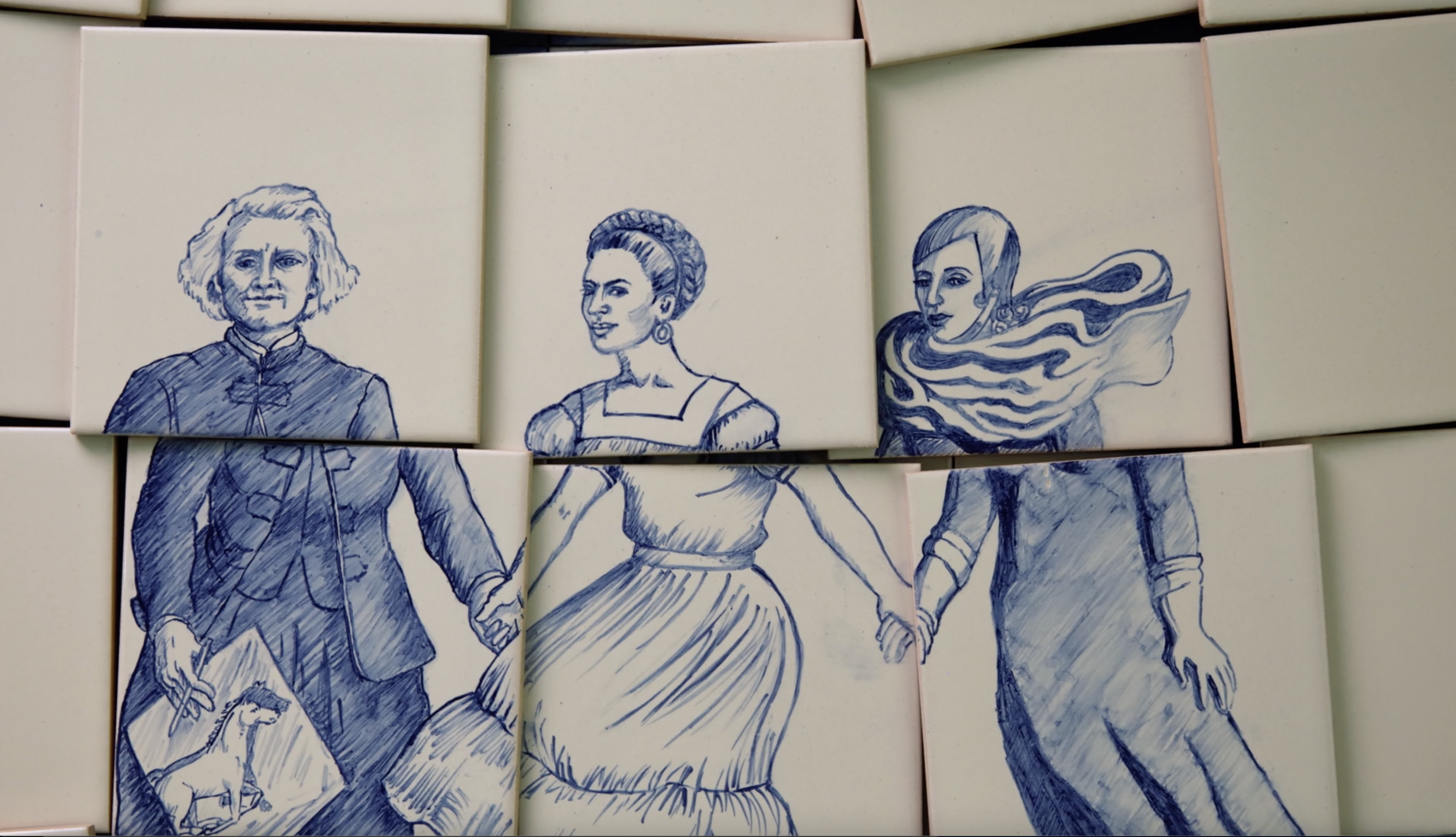
“Pop-up Gals”
Rosa Bonheur
Frida Kahlo
Tamara Lempicka
Mary Anning
Jane Goodall
Wangari Muta Maathai
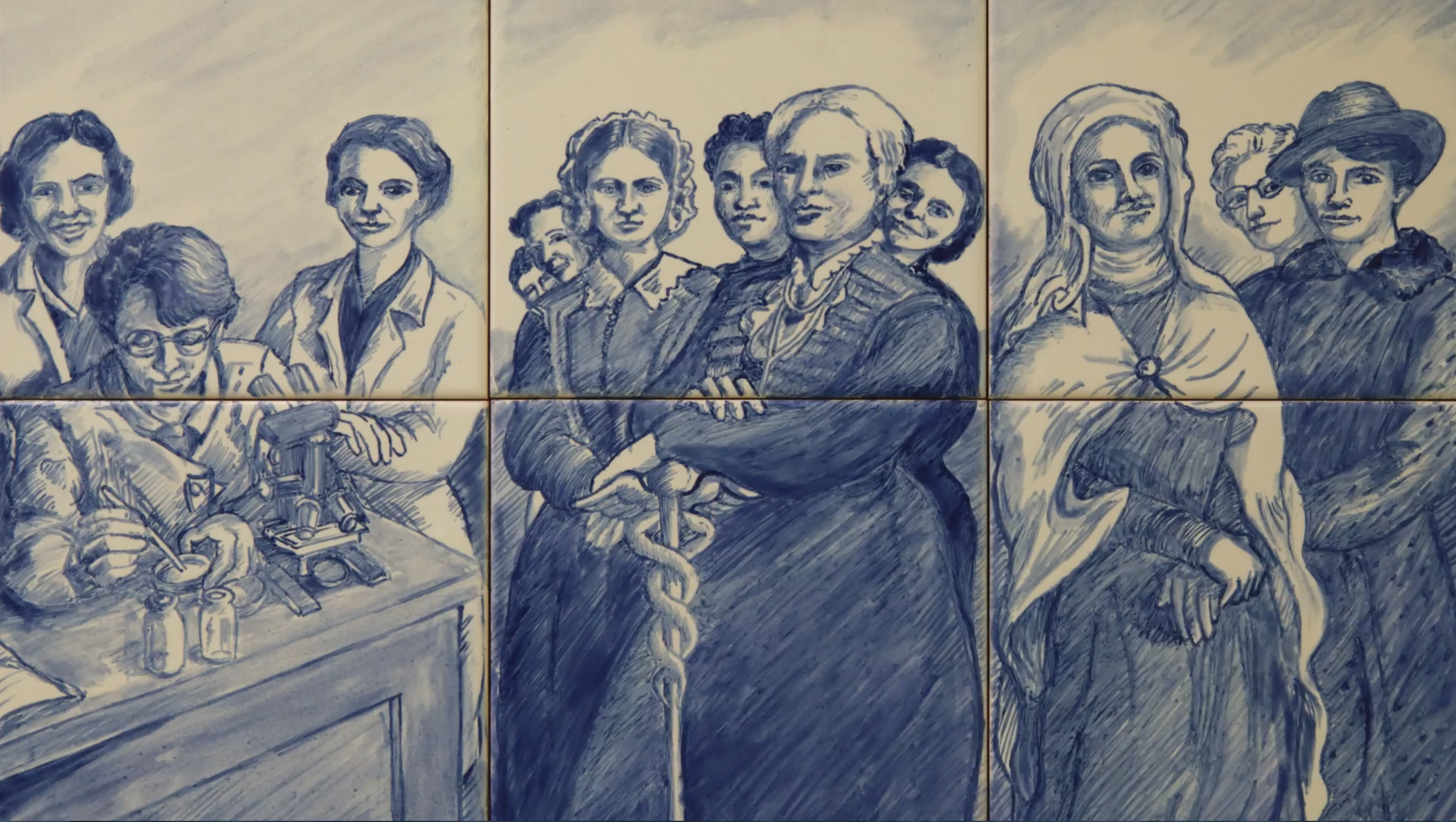
“Science & Medicine”
Rosalyn Sussman Yalow
Barbara McClintock
Rosalind Franklin
Mary Edwards Walker
Rebecca Lee Crumpler
Elizabeth Blackwell
Clara Barton
Trota of Salerno
Virginia Apgar
Margaret Sanger
“Neuroscience”
Patricia Goldman-Rakic
Marion Diamond
Brenda Milner
Elizabeth Gould
Eleanor McGuire
“Astronomy, Math, Aviation & Space”
Caroline Herschel
Amelia Earhart
Jacqueline Cochran
Ada Lovelace
Katharine Johnson
Vera Rubin
Valentina Tereshkova
Sally Ride
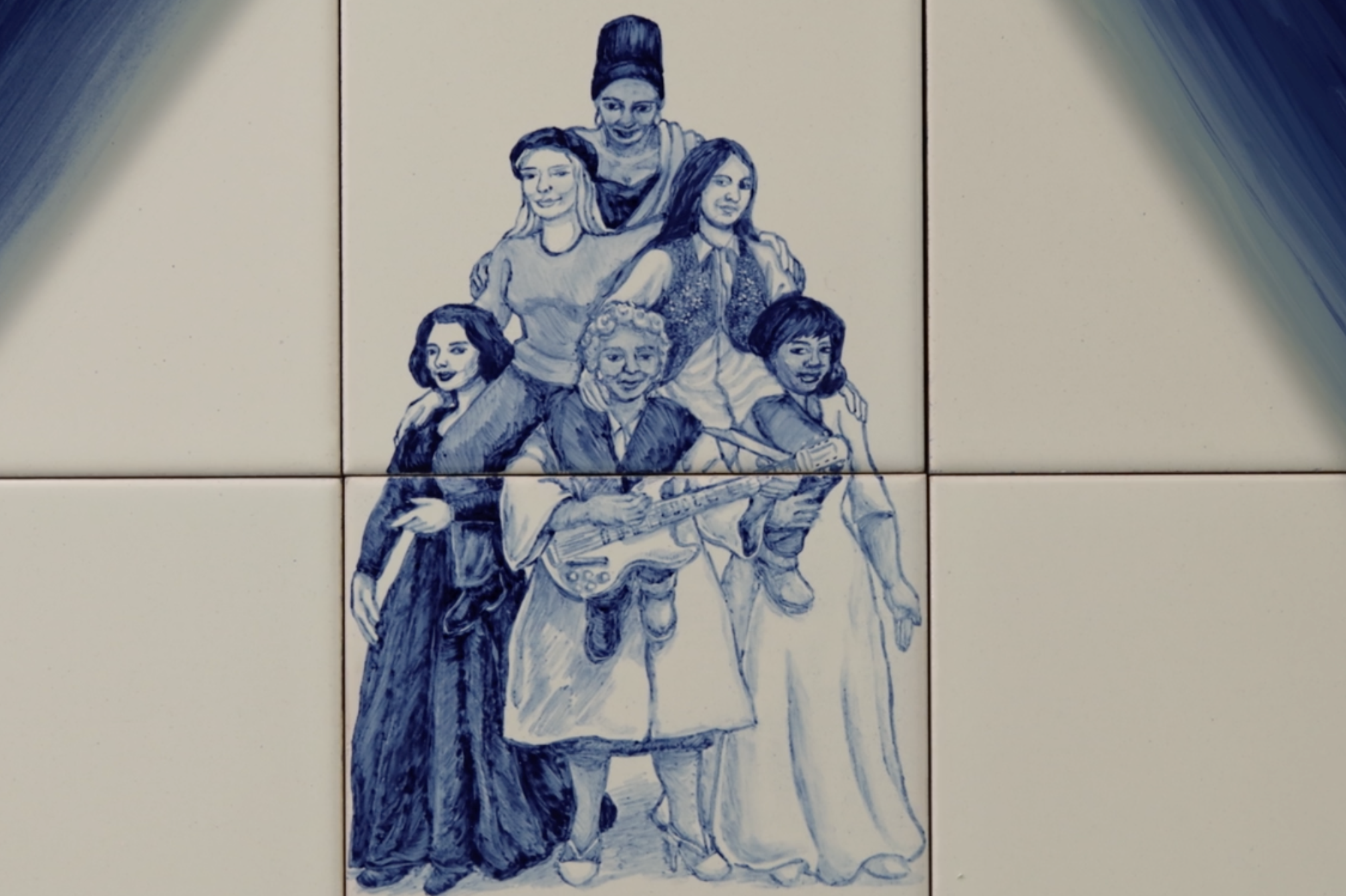
“Final Note”
Miriam Makeba
Joni Mitchell
Buffy Sainte-Marie
Amália Rodrigues
Sister Rosetta Tharpe
Aretha Franklin
“More Pop-up Gals”
Rosie the Riveter
Josefa de Óbidos
Artemisia Gentileschi
Emily Carr
Mary Cassatt
Paula Rego
“Dedication to Martyrs”
Marielle Franco
Mahsa Amini